

Big Boy Exotics serves exotic-car buyers across the United States. Tell us about your car search.
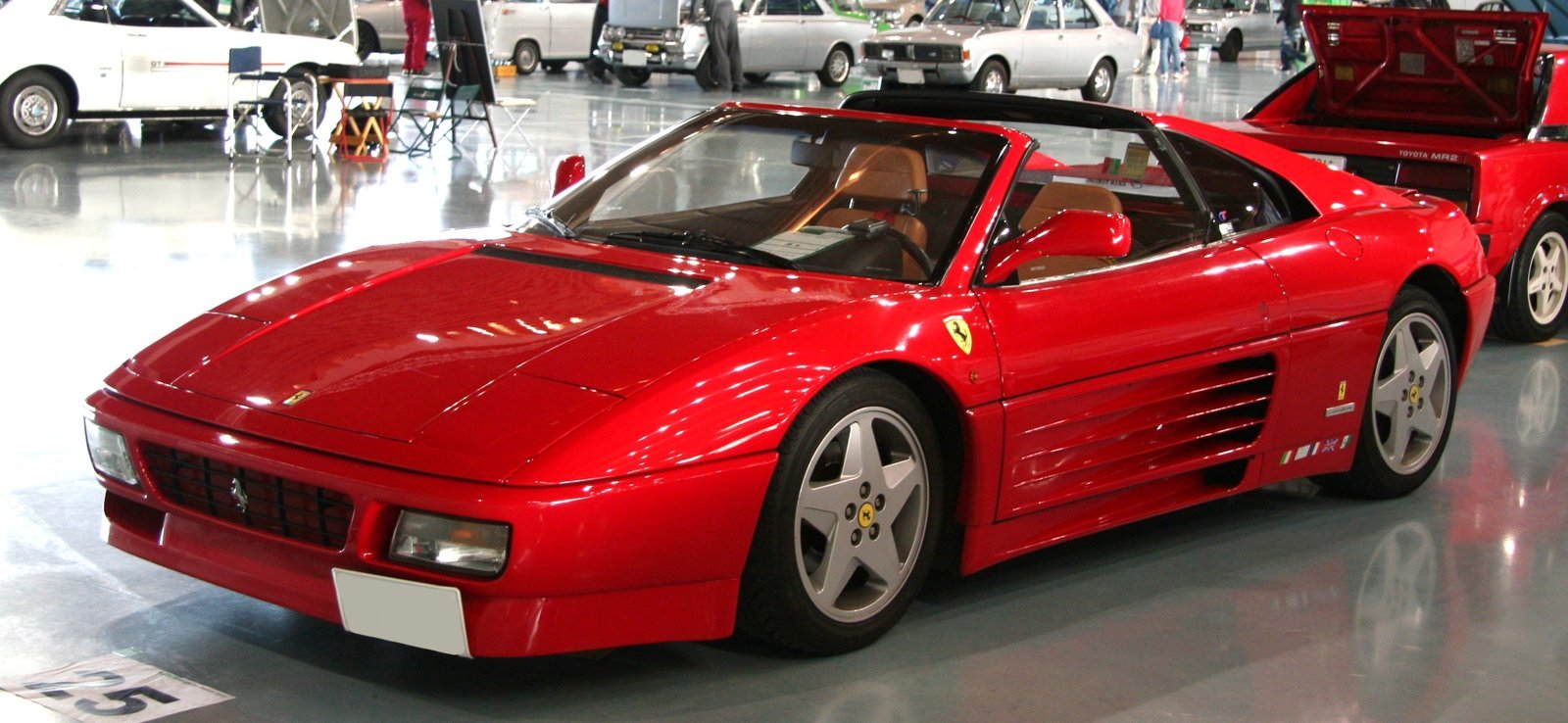
Cover: 348 ts front three-quarter, roof removed, TTTNIS; Public domain by copyright holder. Source photograph unchanged by BBE; Wikimedia display-size version may be resized. Editorial model illustration; US-delivery status and BBE inventory are not represented. Compact-delivery image resized and JPEG-compressed; no cropping or content edits.


The removable roof is one of the Ferrari 348 ts’s defining ownership features. It changes the cabin experience, the viewing appointment and the equipment that should accompany a car at handover. Give it a dedicated inspection rather than treating the open roof as a detail in the advertisement.
Ferrari’s historical 1989 entry identifies the 348 TS with a longitudinal 3.4-liter V8 behind the occupants. For the practical roof questions, its US-version 1989 manual is the more useful document. The hardtop section specifically identifies the ts and illustrates how the panel is secured and stored.
Establish the body and the complete kit
Begin with photographs of the actual car in both roof configurations. The ts has a removable roof panel, retained rear buttresses and fixed rear glazing. Keep the car’s VIN, model description and supporting documents together so that an advertisement’s casual use of the word convertible does not blur its identity.
Ask the seller to show the panel itself, its edges and seals, the fastening hardware and the stowage area. The factory manual describes releasing hooks and placing the removed panel on supports behind the seats, protected by a canvas cover. The panel and its associated items should be accounted for before a distant viewing trip.
Request an explicit list of what comes with the purchase. If a protective cover, support or fastener is missing, have a specialist establish the correct replacement and its availability before treating the omission as trivial. A photograph taken with the roof off cannot answer those questions.
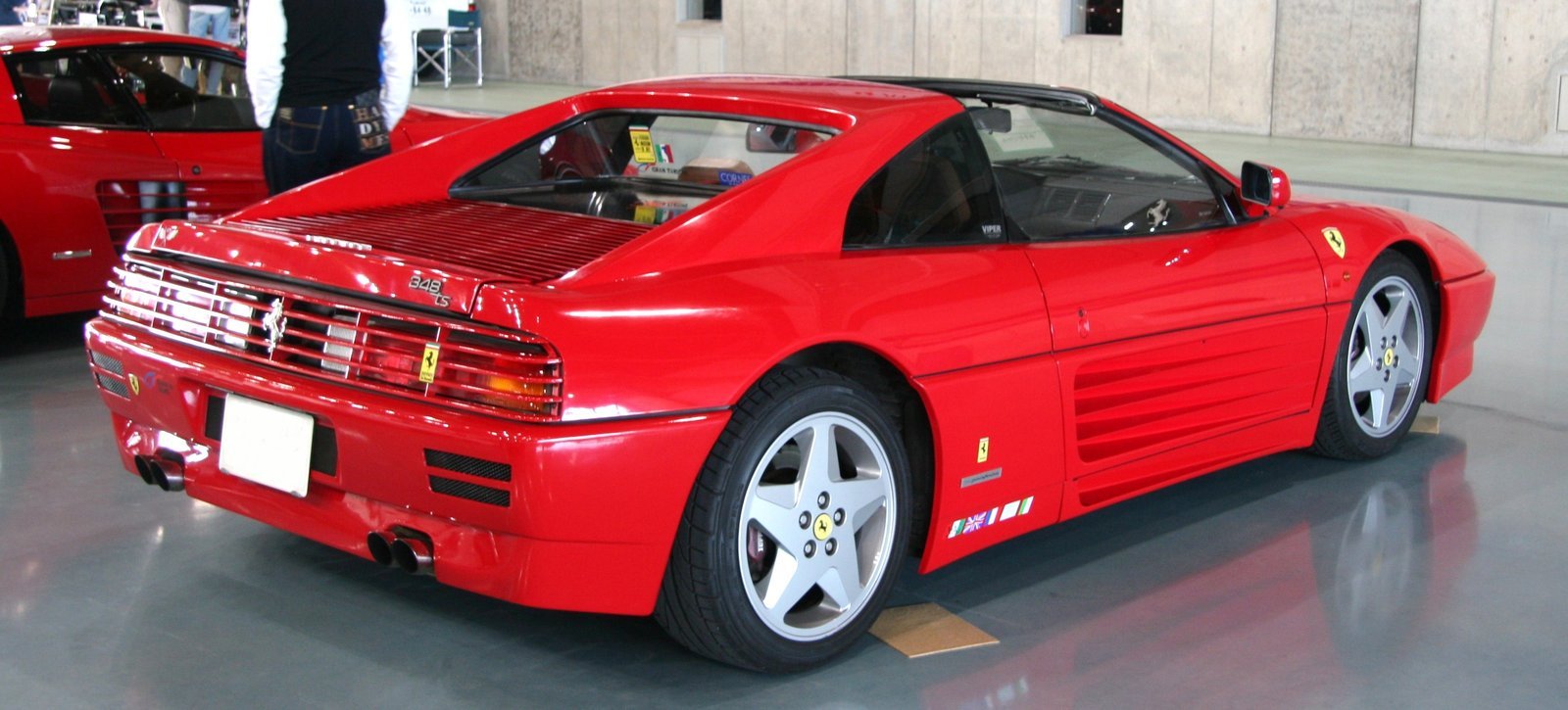
Photo: 348 ts rear three-quarter, roof removed, TTTNIS; Public domain by copyright holder. Source photograph unchanged by BBE; Wikimedia display-size version may be resized. Editorial model illustration; US-delivery status and BBE inventory are not represented. Compact-delivery image resized and JPEG-compressed; no cropping or content edits.


Check the fit in both configurations
Have the owner or specialist demonstrate the complete operation using the matching handbook. The original instructions identify rear locating hardware as well as the hooks. Observe how the parts engage and ask about anything that needs unusual force, adjustment or an improvised solution.
With the roof installed, inspect the relationship between the panel, seals and surrounding bodywork. Have the specialist assess fit and condition, including any evidence of repair. An alignment concern is a reason for investigation; it does not establish a particular fault by itself.
Then sit in the car with the panel correctly and safely stowed behind the seats. Set your actual driving position and check the space available. If another person will regularly drive, repeat the exercise with them. The ability to enjoy an open roof is most useful when the storage arrangement also works for its occupants.
Make the road evaluation relevant
After the preliminary safety checks, evaluate the car at ordinary legal speeds with the roof fitted. Listen for repeatable wind noise and describe its location to the inspector. If weather and the seller’s arrangements permit, compare the open configuration too, with all loose items properly secured.
Consider the routes and conditions in which you expect to use the car. Ask where the roof and cover will be stored when the car is parked, how they will travel during transport and which procedures the owner’s handbook specifies. A short, sunny demonstration should not stand in for a complete ownership plan.
Keep the roof within the whole-car inspection
The roof-focused appointment still needs a full mechanical and body assessment. Ask a Ferrari specialist to review the drivetrain, service records, brakes, suspension and electrical equipment, and explain any limits in the inspection. Cosmetic changes should be documented against the car’s original configuration.
Before arranging an interstate purchase, put the inspection findings, included roof equipment and agreed collection condition in writing. Compare an itemized US-dollar proposal with the condition you have actually established. The 348 ts’s removable panel is a simple idea, but a complete, well-explained roof handover makes a tangible difference to living with the car.
From the Journal
Ferrari Testarossa: What the Side Strakes Tell a US Buyer
Looking for a particular exotic car? Start your private search with Big Boy Exotics.