

Big Boy Exotics serves exotic-car buyers across the United States. Tell us about your car search.
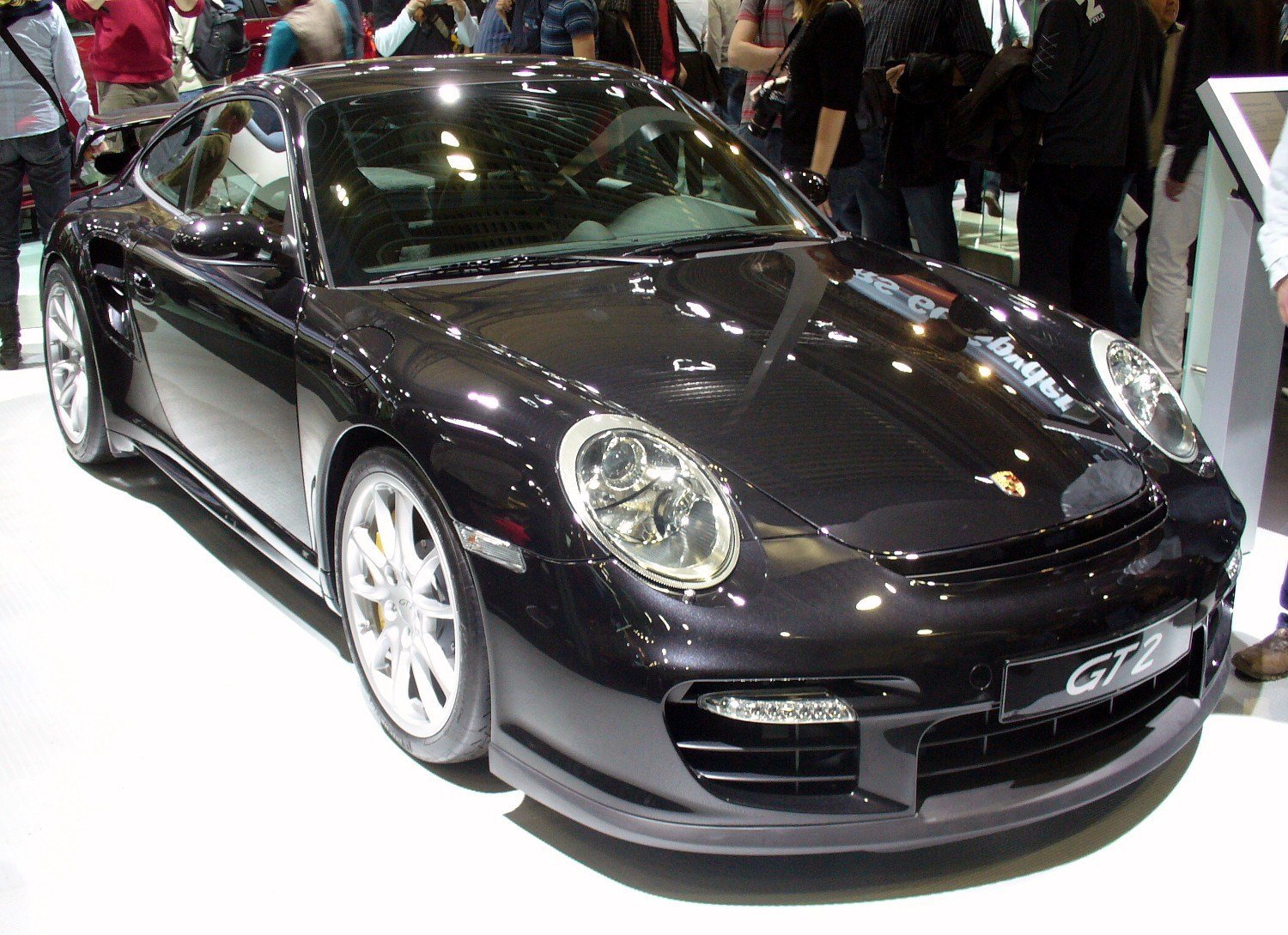
Cover: Porsche 911 GT2.JPG, Thomas doerfer; CC BY-SA 3.0. Source photograph unchanged by BBE; Wikimedia display-size version may be resized. Editorial model illustration; US-delivery status and BBE inventory are not represented. Compact-delivery image resized and JPEG-compressed; no cropping or content edits.

The original 997-generation Porsche 911 GT2 combines turbocharged power, rear-wheel drive and a six-speed manual gearbox in one factory configuration. Each part matters to the buying decision. A useful shortlist begins with whether that particular combination fits the driving experience you want.
Porsche announced the model on July 16, 2007 in a launch release reproduced by Jalopnik. Its current Classic history separates the original GT2 from the later GT2 RS, and identifies the manual transmission as the sole gearbox choice. For a US purchase, establish the individual car’s model year and original build specification before interpreting an advertisement’s shorthand.
Three systems define the character
The GT2 used a 3.6-liter flat-six with two variable-turbine-geometry turbochargers. Porsche developed the engine from the contemporary 911 Turbo, while delivering power to the rear wheels through the manual gearbox.
The combination is important at ordinary speeds as well as in performance discussions. The driver manages clutch engagement and gear choice directly, while the turbocharged engine has its own response and torque delivery. Spend time evaluating those relationships within legal road speeds rather than treating the test drive as an acceleration demonstration.
Start with seating and pedal reach. Confirm that you can depress the clutch fully while keeping a stable driving position, then evaluate take-up and shifting after the specialist has completed preliminary safety checks. Describe any hesitation, noise or awkwardness to the inspector without deciding its cause from one brief drive.
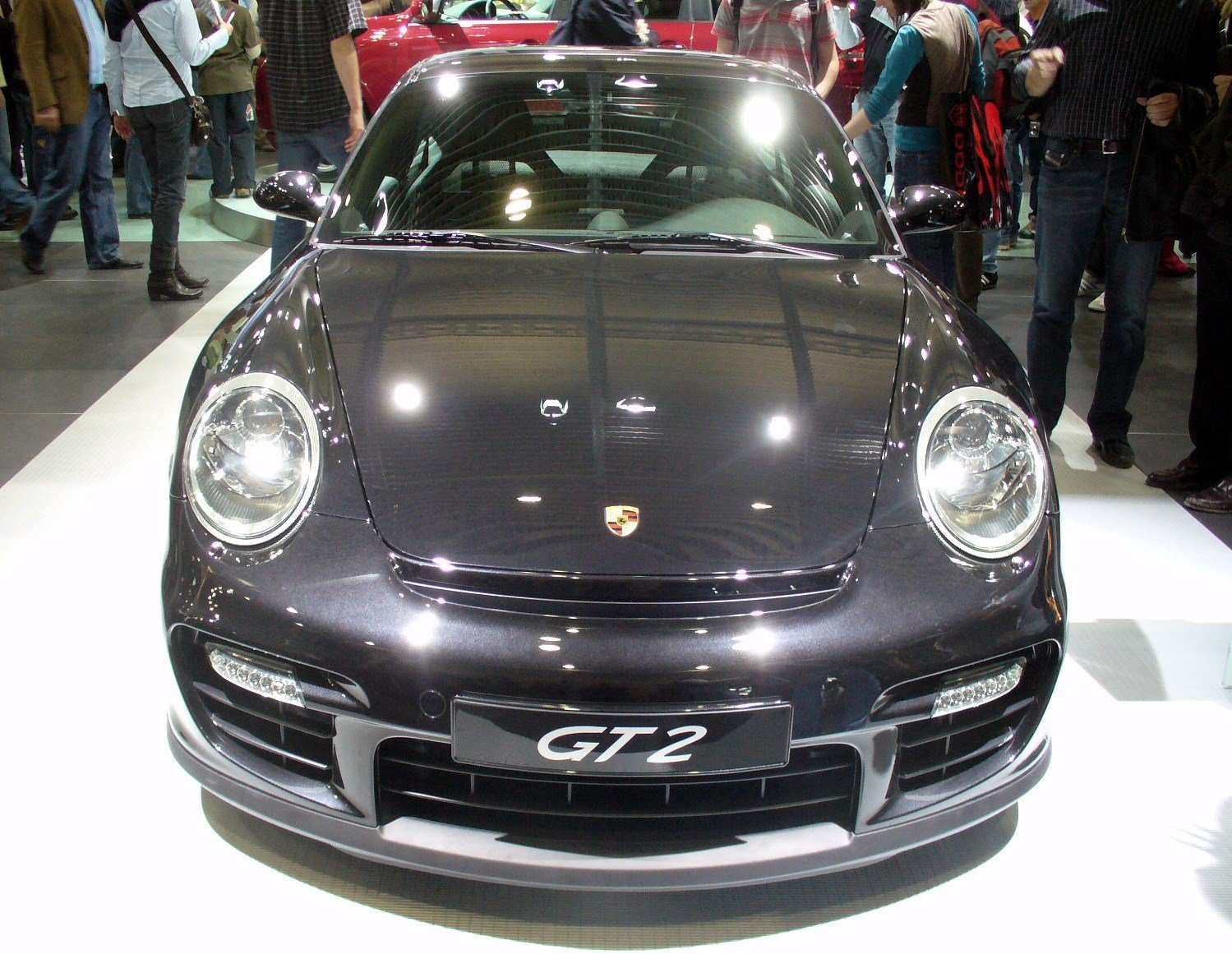
Photo: Porsche 911 GT2 Front.JPG, Thomas doerfer; CC BY-SA 3.0. Source photograph unchanged by BBE; Wikimedia display-size version may be resized. Editorial model illustration; US-delivery status and BBE inventory are not represented. Compact-delivery image resized and JPEG-compressed; no cropping or content edits.

Read the lightweight specification accurately
Porsche retained the wider Turbo-based body while removing the all-wheel-drive arrangement and rear seats. The factory also reduced insulation. Those choices help explain why cabin noise and overall feel should be evaluated with the intended use in mind.
If the car will cover long distances, choose a route that includes ordinary uneven pavement as well as smoother roads. Try the actual seats and check the available storage with the bags you expect to carry. Establish whether its present suspension and interior equipment match the original build or later owner preferences.
Avoid treating visual resemblance as authentication. A widened body, fixed wing or GT2 badge is only part of the evidence. Match the VIN, factory specification and installed components, and keep records of modifications with the inspection report.
Include brakes and damping in the scope
Porsche’s launch material specified Ceramic Composite Brakes and electronically controlled PASM damping as standard. Its original titanium rear silencer and tailpipes were also part of the car’s engineering brief.
These details create concrete questions for the inspector: which brake components are now fitted, how their condition has been assessed, whether the damping system works as intended and whether the exhaust remains original. Record answers individually. A later replacement may be documented and intentional; its implications need to be understood in the context of the complete car.
A short road evaluation cannot prove every system’s condition under high load. Ask the specialist to explain the checks performed, the evidence supporting the findings and any limitations that remain. Request estimates for identified work before deciding how two asking prices compare.
Keep the GT2 and GT2 RS separate
The later GT2 RS has its own specification. Its equipment, output and production story should not migrate into an original GT2 description simply because the names share most of their letters.
Build the final US search brief around the correct model, documented factory configuration, acceptable modifications and your inspection requirements. Add service support and transport arrangements before committing. The original 997 GT2 is compelling because its engineering choices form such a coherent package; the purchase file should make the identity and condition of your example equally clear.
From the Journal
Porsche 930 Turbo: The 3.0, 3.3 and Five-Speed Differences
Looking for a particular exotic car? Start your private search with Big Boy Exotics.