

Big Boy Exotics serves exotic-car buyers across the United States. Tell us about your car search.
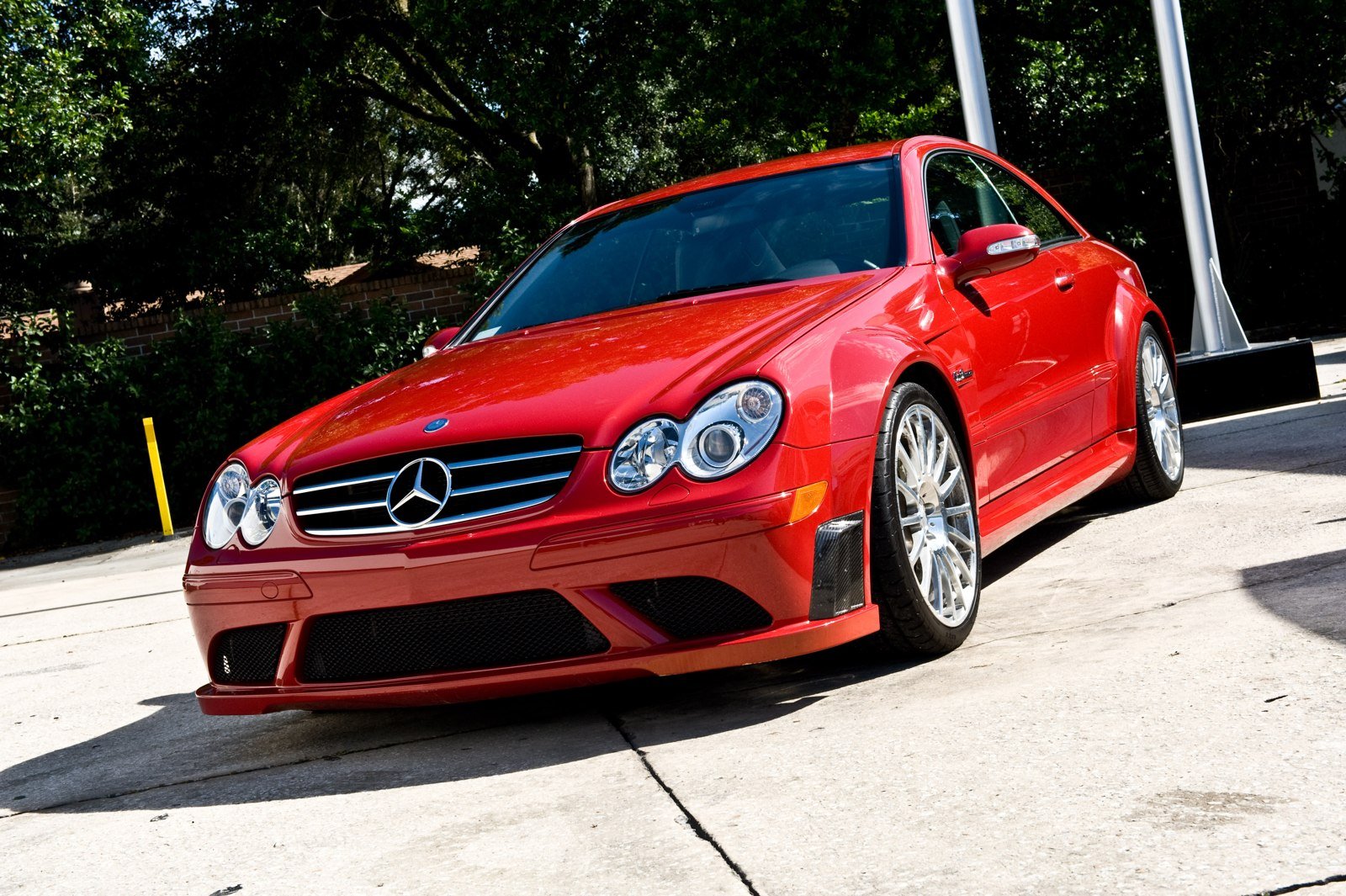
Cover: Red MB CLK 63 AMG BS front.jpg, Josh Hallett; CC BY-SA 2.0. Resized and JPEG-compressed; no cropping or content edits. Derivative remains CC BY-SA 2.0. Editorial model illustration, not BBE inventory.

The Mercedes-Benz CLK 63 AMG Black Series rewards a buyer who looks below the trunk badge. Its rear bumper contains part of the car’s cooling system, creating a connection between exterior condition and mechanical inspection that deserves attention before purchase. For a US search, put the differential cooling circuit on the inspection brief alongside the engine, transmission and chassis.
Start behind the rear bumper
Mercedes’ May 7, 2007 press kit describes a separate oil cooler for the rear limited-slip differential, incorporated into the rear bumper assembly. An electric pump operates according to oil temperature. The manufacturer linked that hardware to the loads encountered during track driving.
That operating description makes a cold-start video a poor standalone test of the circuit. Ask a qualified Mercedes-AMG specialist how pump operation will be checked under the appropriate conditions. Request the result in writing, including any diagnostic limitations. A seller’s reassurance that the car runs well leaves this particular question unanswered.
Avoid attempting to provoke high temperatures on a public-road test drive. The inspection should establish what can be verified safely with the correct equipment and service information. If a function remains untested, carry that uncertainty into the purchase decision rather than treating silence as a clean bill of health.
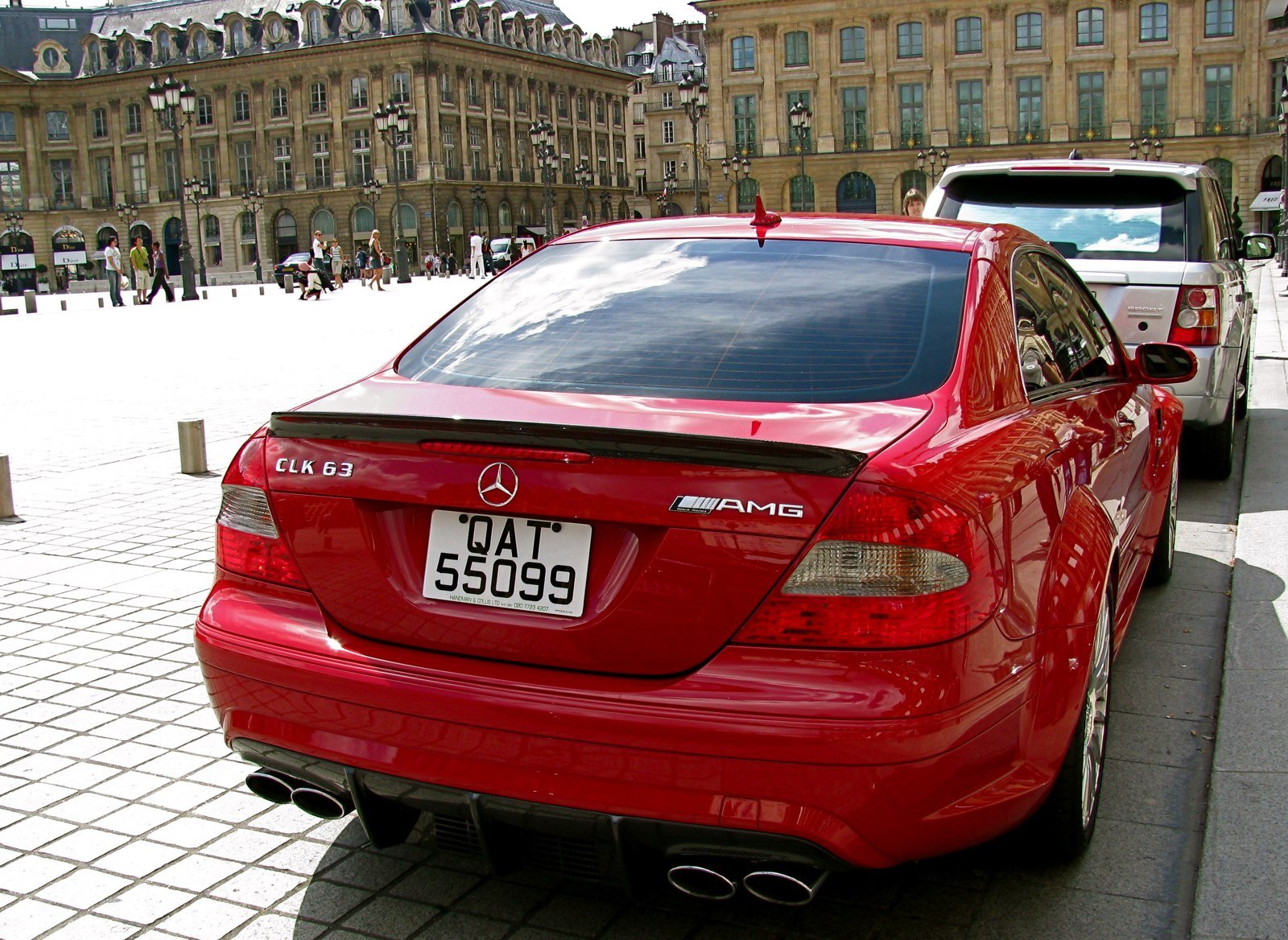
Photo: Red MB CLK 63 AMG BS rear.jpg, -- -- (CarSpotter; Flickr user 29231008@N05); CC BY-SA 2.0. Resized and JPEG-compressed; no cropping or content edits. Derivative remains CC BY-SA 2.0. Different individual car from the cover; US-delivery status and BBE inventory are not represented.

Read bodywork and mechanical records together
A rear-bumper repair invoice deserves a second look on this model. Ask what was repaired or replaced and whether the nearby cooling hardware was inspected. Have the specialist document the cooler, lines, connections and mounting points, noting visible damage, leakage, interference or modifications that warrant further investigation.
Request photographs from underneath as well as the usual rear three-quarter view. A glossy exterior photograph helps assess presentation; close views of the cooling assembly answer a different question. Keep those images with the inspection report so any proposed work can be discussed against the same evidence.
A repaired bumper does not establish that the differential was damaged. Equally, fresh paint does not establish that the cooling circuit was checked. Itemized invoices and a current inspection are more informative than assumptions in either direction. Ask the inspector to separate cosmetic observations from mechanical findings.
Follow the cooling layout forward
The same launch material identifies an additional transmission-oil cooler in the left front wheel housing and the engine-oil cooler on the right. It also describes a larger main radiator and revised power-steering cooling. These details give the inspection a useful route around the car instead of concentrating every cooling question under the hood.
Ask for a record of the installed components and any changes to ducting or body panels around them. Where aftermarket parts are present, establish their identity and the reason for installation. A modification needs its own documentation; a Black Series badge cannot explain what a previous owner changed.
Bring the right records to the handover
The US 2008 maintenance booklet includes a first-visit confirmation entry specifically covering differential-fluid replacement for the CLK 63 AMG Black Series. Request the car’s completed booklet and corresponding invoices, then have its current requirements checked against the correct model-specific service information.
Mercedes’ archive identifies the Black Series coupe as type 209.377. Use the car’s factory documentation to establish its identity before comparing records or sourcing replacement parts. For a buyer considering a later AMG as well, our AMG GT Black Series aero guide examines another example of bodywork with a mechanical purpose.
The strongest purchase file connects the exact car, its repair history and the specialist’s present findings. Ask for a written estimate in US dollars for any unresolved work, with parts availability confirmed for that example. That gives the differential cooler its proper place in the decision: a working system to understand and verify.
Looking for a particular exotic car? Start your private search with Big Boy Exotics.