
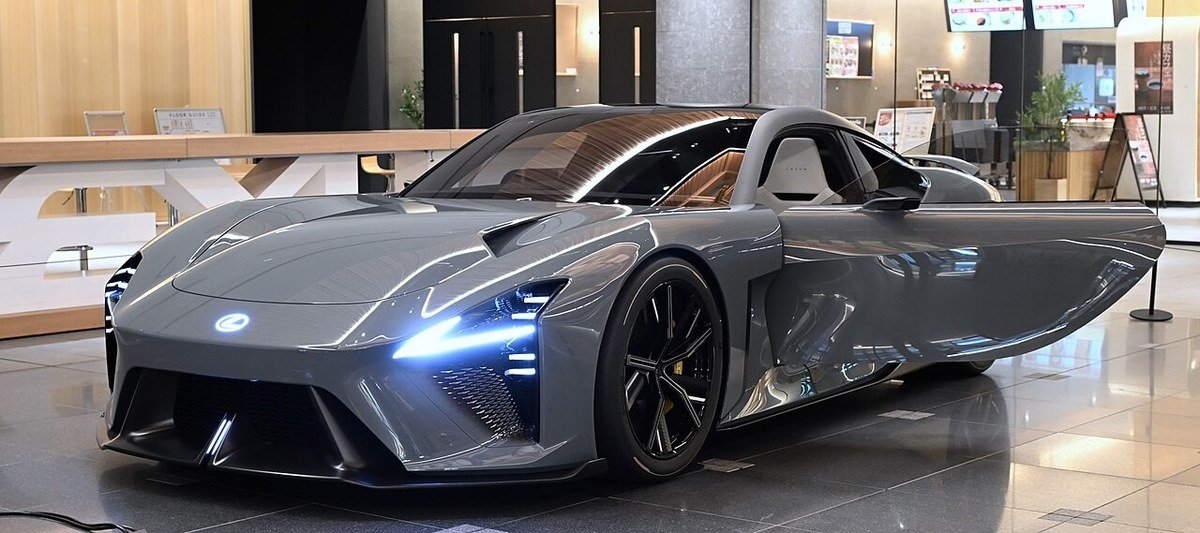

The Lexus LFA Concept photographed on February 11, 2026. This is a concept display, not a customer-production car. Photograph by TTTNIS, CC0 1.0 Universal. Resized and JPEG recompressed; no additional crop or scene changes. Photo remains under this license; no endorsement implied.

The Lexus LFA Concept gives enthusiasts a useful question to ask: what makes a sports car feel involving when its powertrain changes? If that question is shaping your next purchase, discuss your nationwide US car search with Big Boy Exotics. The concept's driver-focused layout can help clarify what matters to you, while any buying discussion should concern vehicles with confirmed availability.
There is a clear sequence behind the name. Lexus showed the Sport Concept at The Quail on August 15, 2025. The LFA Concept announcement, published in the US on December 4 ahead of the December 5 Japanese premiere, identified it as a battery-electric sports-car concept. Those are historical milestones, rather than a confirmed production launch.
Goodwood added a moving chapter
Lexus's July 15, 2026 report confirmed the concept's first public dynamic drives at Goodwood. The camouflaged car ran on the hill during the July 9–12 festival, alongside the prototype GR GT and GR GT3. Its scheduled appearance had originally been static.
That matters because a moving demonstration is another visible stage in development. It provides something more tangible to discuss than an exhibition stand. It still cannot tell a prospective US owner how the eventual car would behave over a long journey, what it would cost or when deliveries could begin. A short event drive answers a narrower question.
Start with the driving position
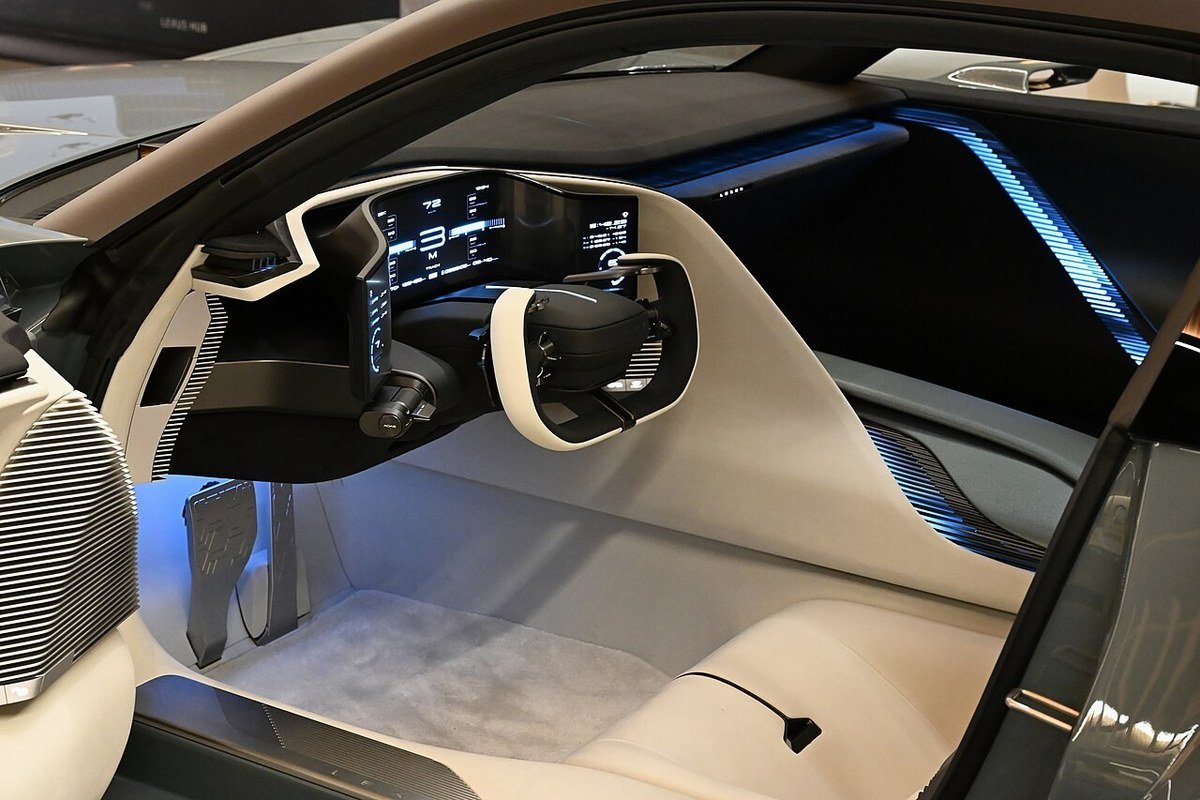
The LFA Concept cockpit, photographed on February 11, 2026. Controls shown belong to the concept. Photograph by TTTNIS, CC0 1.0 Universal. Resized and JPEG recompressed; no additional crop or scene changes. Photo remains under this license; no endorsement implied.

Lexus describes an all-aluminum body frame and a driving position shared with the GR GT and GR GT3. Its stated priorities include a low center of gravity, low weight with high rigidity, and aerodynamic performance. These are engineering intentions; the announcement does not provide a finished production specification to evaluate.
The cockpit deserves particular attention. Lexus says the steering operation is intended to avoid hand-over-hand regripping, with switches arranged for use by touch. Its partial specifications describe two seats and a height of 47.0 inches, both manufacturer estimates.
Our interpretation is that the interesting promise lies in the relationship between posture, hands and controls. Can a driver remain comfortably supported while making small corrections? Can a frequently used function be found without a prolonged look away? Those questions remain relevant at normal US road speeds, where a headline acceleration figure contributes little to a comfortable commute or a relaxed afternoon drive.
The eventual answers will require access to an appropriate vehicle and a proper evaluation. A steering-wheel shape alone does not establish steering feel, and a carefully arranged display cannot demonstrate how intuitive the interface will seem after several hours. For now, the published layout is a reason to pay attention.
Keep the generations distinct
Our original LFA engineering history examines the earlier car's carbon-fiber construction and V10. That history gives the name context without supplying specifications for this electric concept. The two projects should each be understood through their own engineering choices.
The sources reviewed for this article do not establish a US on-sale date, US price, certified range or customer allocation process. Interest in the concept is therefore best used to sharpen a wish list: seating position, control feel, visibility and the kind of involvement you want. Share that wish list with Big Boy Exotics when beginning a nationwide US search for a car that fits your plans.