
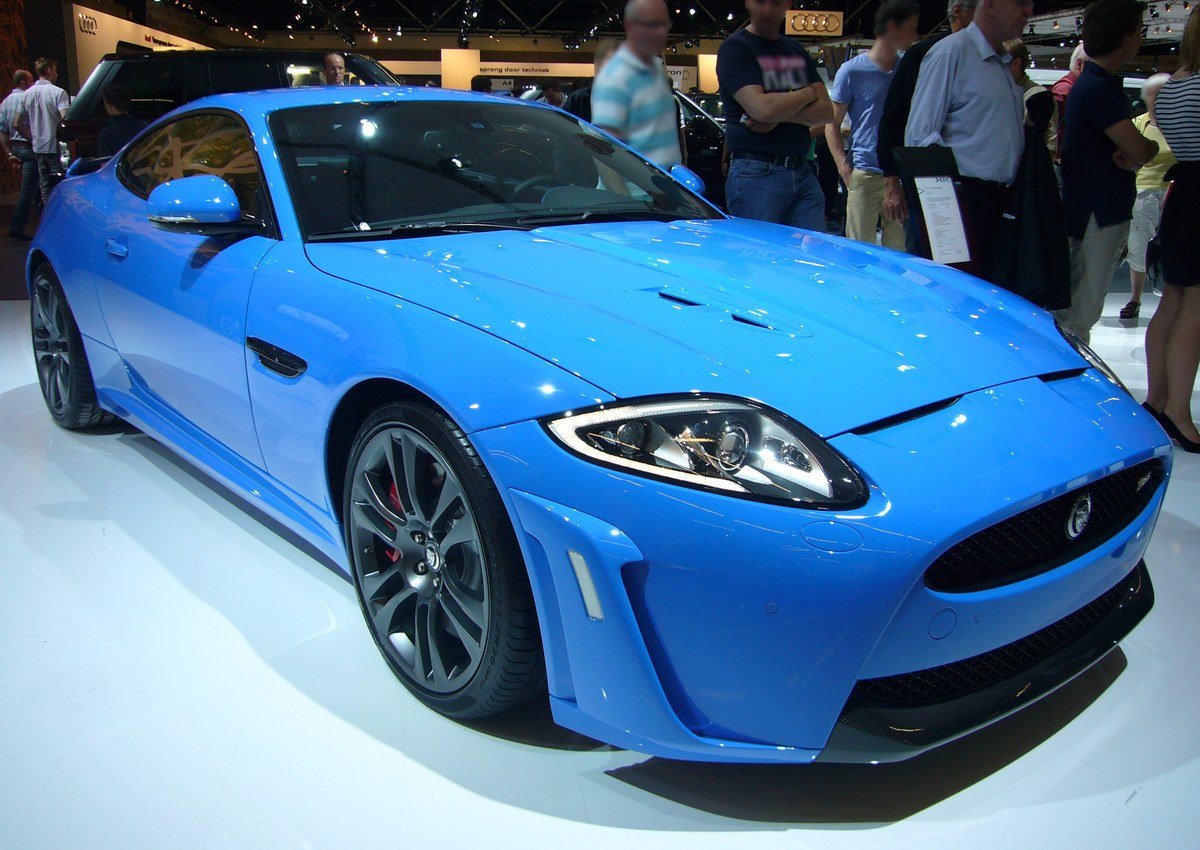

The Jaguar XKR-S coupe on display at AutoRAI Amsterdam in April 2011. Photograph by Overlaet, CC BY-SA 3.0. Resized and JPEG recompressed; no additional crop or scene changes. Photo remains under this license; no endorsement implied.

The original 5.0-liter Jaguar XKR-S coupe is best understood as a coordinated specification. Its identity goes beyond the body details or a set of distinctive wheels. For a buyer assessing one today, the useful question is whether the car’s documented configuration still matches the combination being advertised.
This guide revisits Jaguar’s March 1, 2011 launch description. It is not new-model news. BBE serves US buyers, and an XKR-S search brief should name the original 5.0-liter coupe rather than relying on the badge alone.
Look at the package Jaguar described
Jaguar’s original launch release describes a bespoke front steering knuckle, revised rear suspension geometry and increased spring rates. The company also specified XKR-S adaptive-damping software and revised Active Differential Control programming, alongside lightweight forged 20-inch Vulcan wheels. These are complementary hardware and calibration changes, not simply a wheel-and-tire appearance package.
That history gives an inspection a useful structure. Check the identity of the parts, the recorded setup and the evidence for any subsequent changes. A seller’s phrase such as “upgraded suspension” is the beginning of a question, not an explanation of what has been installed or why.
Establish the exact car first
For a US purchase, ask the seller and inspecting specialist to reconcile the VIN, title information, model year and build specification. Keep the subject narrow: this article concerns the original 5.0-liter XKR-S coupe, not the XKR-S GT or a convertible. Documentation should settle the identity before parts comparisons begin.
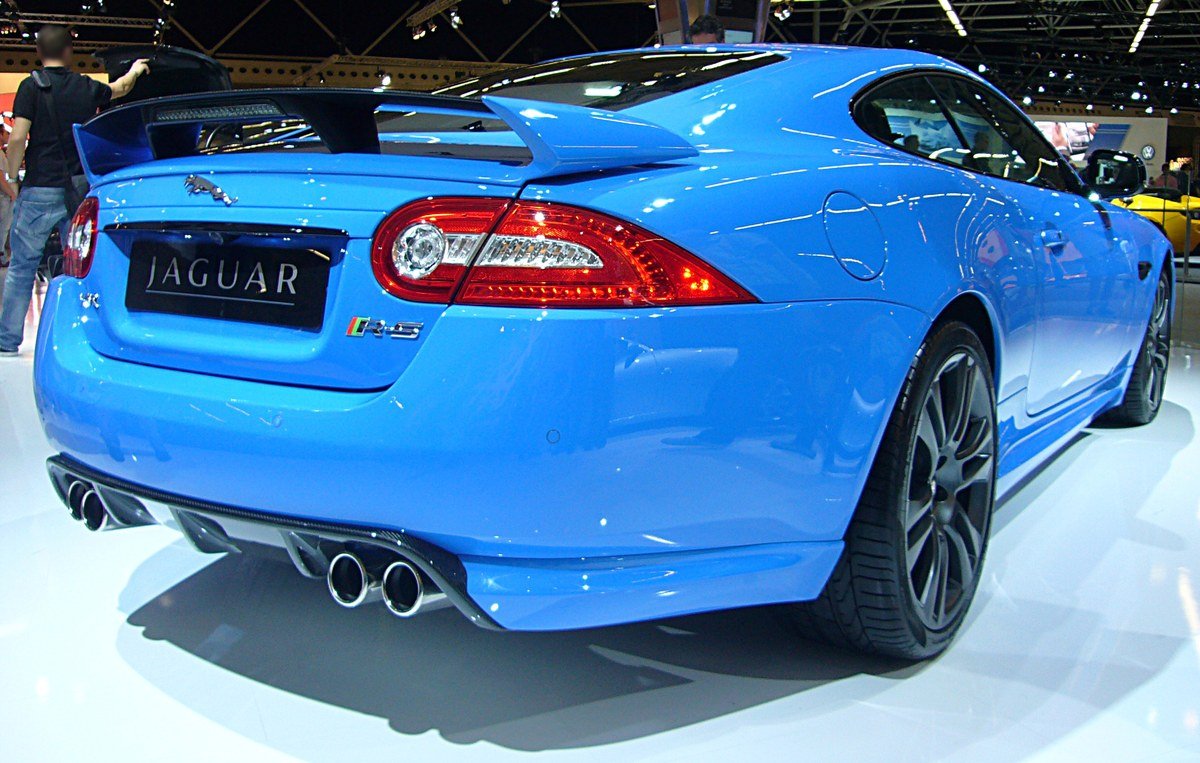
Rear-right view of the same XKR-S coupe at AutoRAI Amsterdam 2011. Photograph by Overlaet, CC BY-SA 3.0. Resized and JPEG recompressed; no additional crop or scene changes. Photo remains under this license; no endorsement implied.

Our F-Type R model-year guide makes a related point about precise US-market descriptions. It concerns a different Jaguar, so its equipment details should not be transferred to an XKR-S. The useful habit is checking the exact variant rather than assuming a familiar name tells the entire story.
Read invoices as a configuration history
A service file becomes more useful when it explains what changed. Ask for part numbers and workshop descriptions for replacement springs, dampers, wheels and related suspension work. Have a qualified specialist determine whether the fitted parts are correct for the car, compatible replacements or an intentional departure from the original specification.
Aftermarket equipment is not automatically unsuitable, and original equipment is not automatically in good condition. Keep those judgments separate. The first question is what the car has; the second is its condition; the third is whether the resulting setup suits the buyer’s intended use.
Ask whether the file includes alignment measurements and documentation of work affecting the adaptive damping or differential controls. A generic description such as “alignment done” does not tell the reviewer which target specification was used. Request an explanation of the relevant records rather than trying to infer the setup from stance alone.
Make the assessment usable
The final report should distinguish verified equipment, observed condition and unresolved configuration questions. If further workshop investigation is needed, have its scope identified before treating the assessment as complete. Do not turn an undocumented change into a predicted failure or an unsupported repair bill.
For US buyers, that is a more practical reading of the XKR-S than a headline output figure. Its appeal can be assessed as a complete car, with the correct historical specification as a reference. BBE’s buyer inquiry can capture that requirement without presuming that a suitable example is currently available.