

Big Boy Exotics serves exotic-car buyers across the United States. Tell us about your car search.
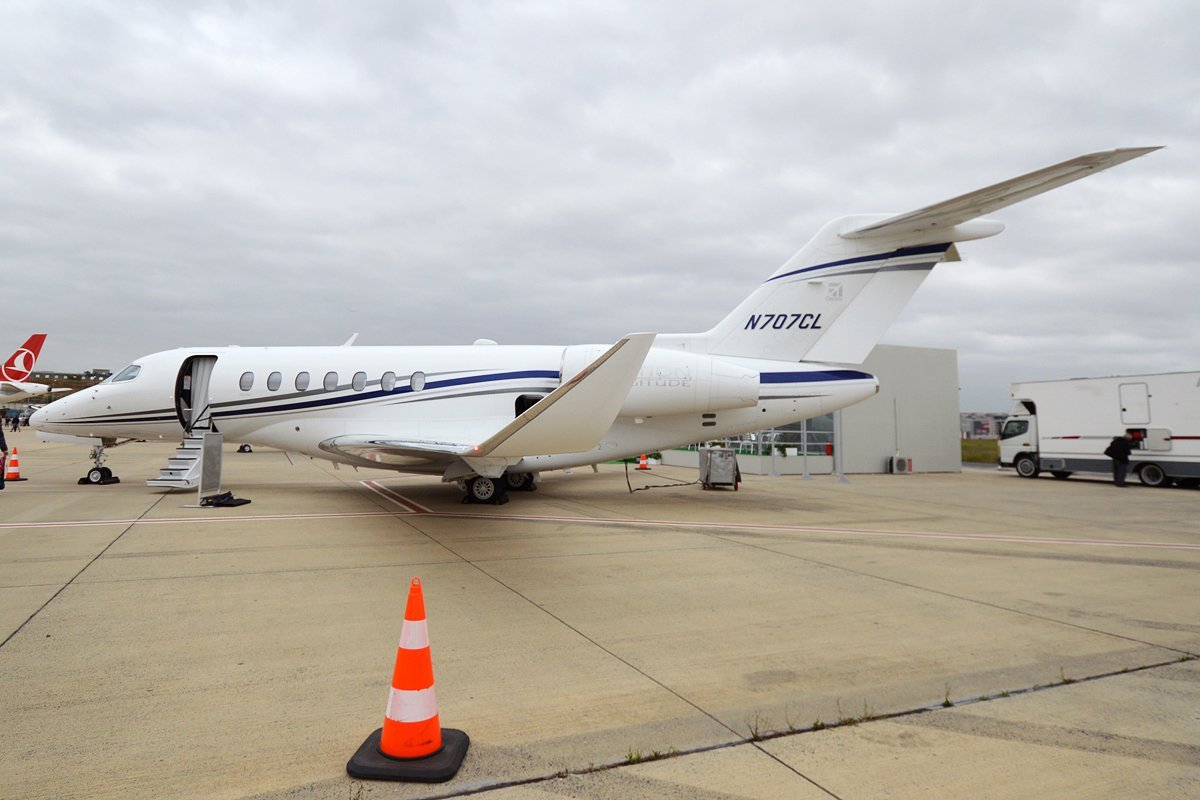
Cover: Textron Aviation, N707CL, Cessna 700 Citation Longitude (31378962178), Anna Zvereva; CC BY-SA 2.0. Unchanged. Compact-delivery image resized and JPEG-compressed; no cropping or content edits.

Quietness is an unusual luxury feature: it rarely dominates an aircraft photograph, yet it can shape every conversation on board. With the Cessna Citation Longitude, sound deserves its own evaluation rather than a quick impression during a parked-aircraft tour.
Textron Aviation’s current Longitude description promotes exclusive soundproofing techniques and calls the aircraft’s cabin the quietest in the super-midsize category. That is the manufacturer’s claim. A useful next step is to understand what it measured and decide how you would assess the experience for yourself.
Look behind the quiet-cabin headline
In its acoustics engineering account, Textron describes identifying noise sources throughout the aircraft, checking computer models against flight data and measuring sound at every seat. Windows and the cabin door were among the areas investigated before treatments were applied.
The same account reports cabin sound levels averaging 67 decibels. It says comparison aircraft were tested under comparable conditions and explains that the design effort extended beyond long-range cruise to climb, high-speed flight and descent.
Those details establish a more useful conversation than the headline alone. Ask the manufacturer for the measurement weighting, seat locations, flight conditions and averaging method behind any number you intend to compare. The published summary gives a decibel figure without spelling out that full measurement protocol. Treat it as a reference to investigate, rather than a promised reading on every flight.
Define what quiet should let you do
Before an evaluation flight, write down the ordinary activities that matter. Perhaps two colleagues want to speak across the aisle without leaning forward. Perhaps a passenger wants to read in the aft seating area, or rest without a persistent tone becoming distracting.
Choose a repeatable, modest test: the same short conversation, the same seating arrangement and a few minutes of quiet listening. Take notes after each segment instead of relying on the overall memory of an impressive flight. Distinguish background sound, vibration and an intermittent rattle; they are different observations for a specialist to investigate.
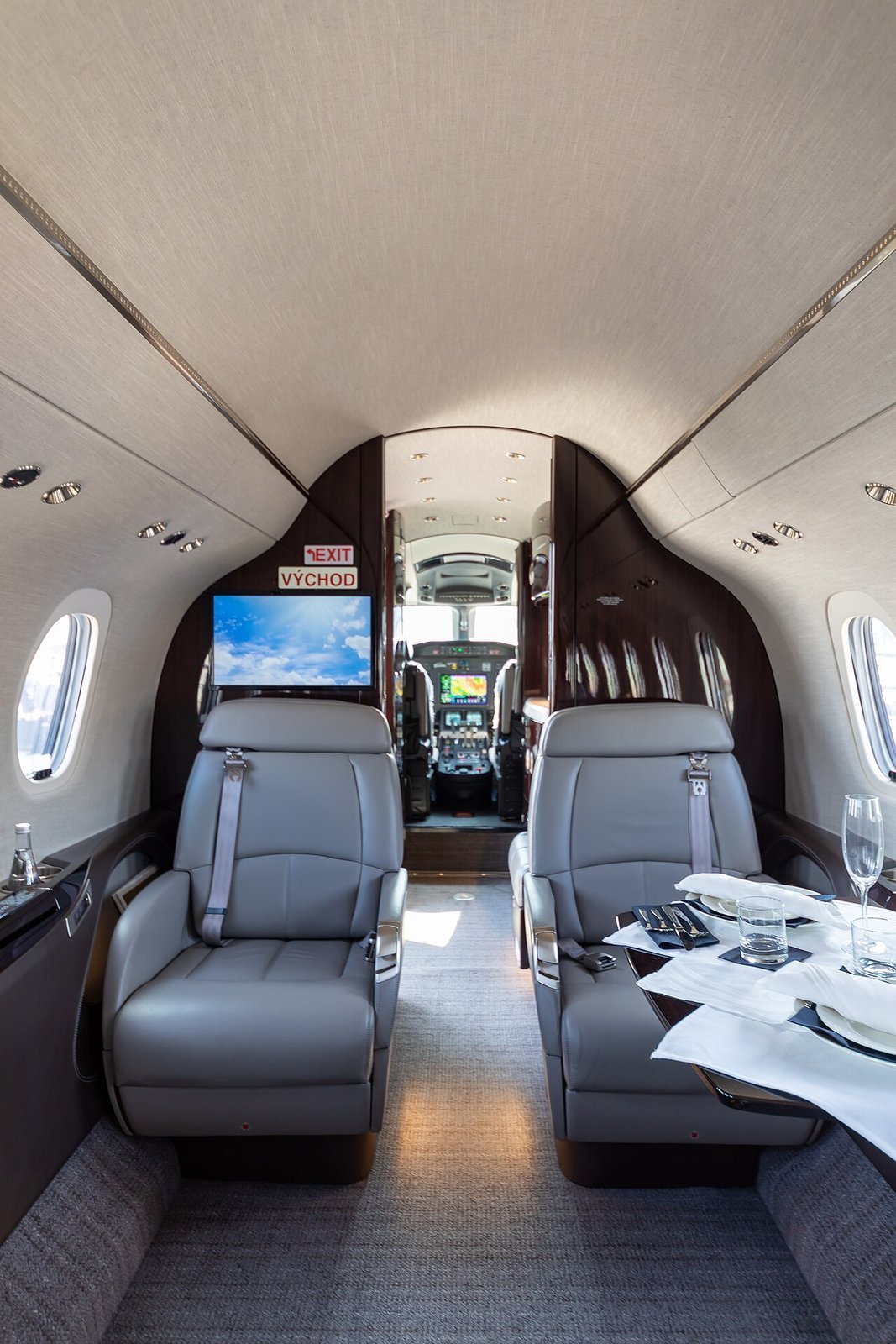
Photo: EBACE 2023, Le Grand-Saconnex (EB237582), Matti Blume; CC BY-SA 4.0. Wikimedia resize; otherwise unchanged. Compact-delivery image resized and JPEG-compressed; no cropping or content edits.

Experience the complete journey
Arrange any demonstration with the aircraft’s operator and qualified aviation professionals. Tell them that passenger acoustics are part of the evaluation, then let the crew determine the safe operating plan. Move between seats only when permitted.
Listen during the normal stages of the flight available to you. Record which seat you occupied, whether people were talking and whether cabin entertainment was playing. If you later compare another aircraft, keep the passenger tasks and seating notes as consistent as practical. A claim about the whole journey deserves more attention than one especially peaceful moment at cruise.
Avoid turning a casual recording into a laboratory result. If a numerical comparison will influence the decision, commission an acoustics professional to choose appropriate equipment and a repeatable measurement procedure. A passenger’s impression is valuable, but it answers a different question from controlled testing.
Inspect the individual interior
Textron’s engineering account also notes that glassware, woodwork and fabrics can affect cabin noise. That makes the actual interior configuration worth documenting, especially when comparing a demonstration aircraft with another example.
Ask the inspection team about interior changes and investigate any repeatable buzz or rattle you notice. Describe the location and flight phase rather than diagnosing its cause. If corrective work is proposed, agree on how the result will be checked.
The Longitude’s acoustic engineering is a reason to pay closer attention. The most useful verdict combines a properly understood manufacturer claim, an evaluation of the individual aircraft and a clear sense of what comfortable conversation and rest mean to the people who will use it.
From the Journal
Gulfstream G700 Cabin: Read the Floor Plan Before the Range Map
Looking for a particular exotic car? Start your private search with Big Boy Exotics or send your car-sourcing brief to info@bigboyexotics.com.