

Big Boy Exotics serves exotic-car buyers across the United States. Tell us about your car search.
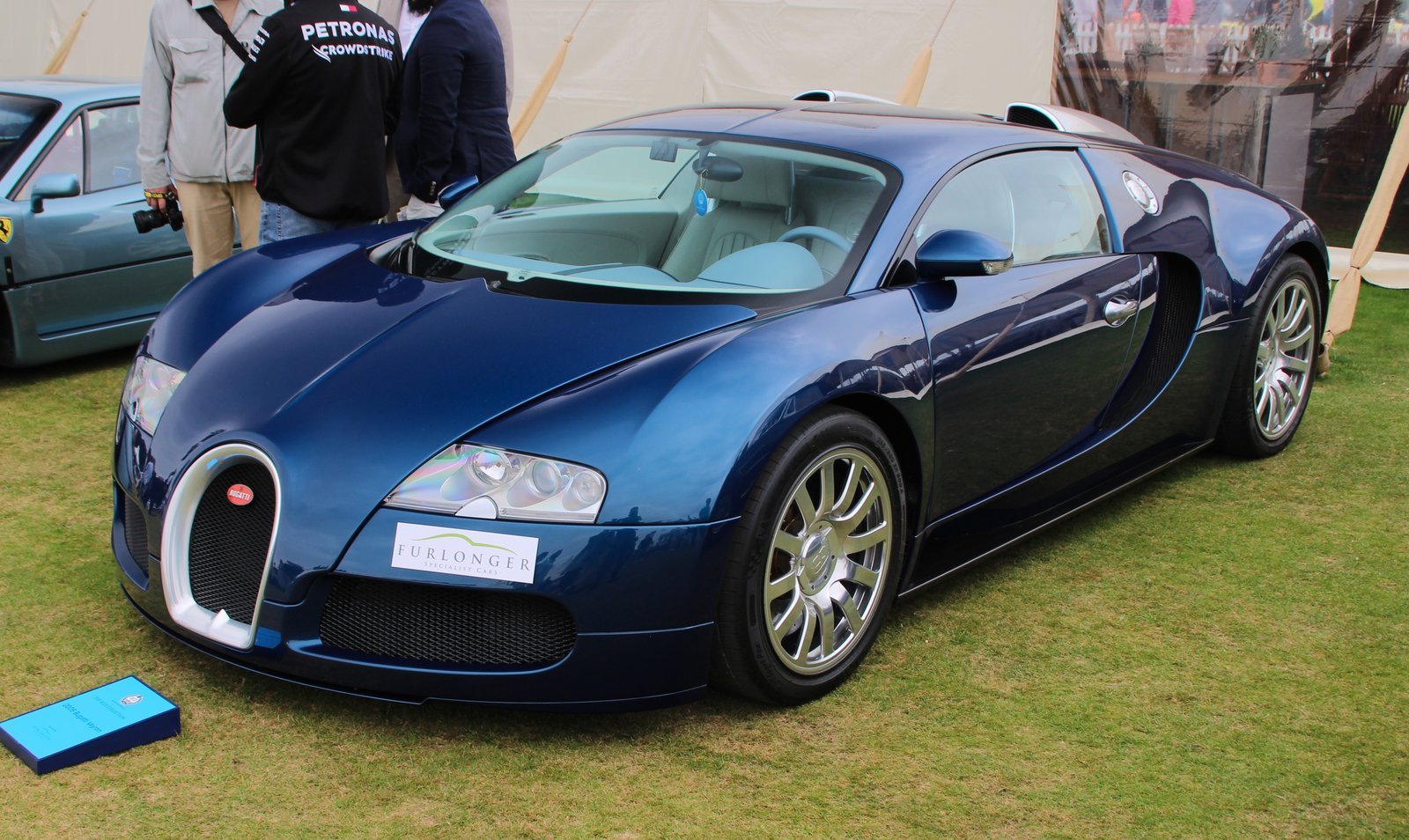
Cover: 2007 Bugatti Veyron SP24.jpg, MrWalkr; CC BY-SA 4.0. Source uploader brightened, cropped and rotated this photograph; Wikimedia display-size version may be resized. No further changes by BBE. Editorial model illustration; US-delivery status and BBE inventory are not represented. Compact-delivery image resized and JPEG-compressed; no cropping or content edits.

The original Bugatti Veyron 16.4 coupe coordinates far more than a rising rear wing. Its hydraulic ride height, front diffuser flaps and rear aerodynamic surfaces work together in different operating configurations. Understanding that system gives a US buyer a useful plan for the inspection and technical handover.
This guide concerns the original fixed-roof production coupe. Bugatti’s July 24, 2025 engineering retrospective describes its 8.0-liter, four-turbo W16, seven-speed dual-clutch transmission and all-wheel drive. Those fundamentals belong alongside the correct original-coupe handbook when identifying a prospective purchase.
Start with the normal configuration
The period factory brochure lists approximately 4.9 inches of ground clearance at both ends in the standard configuration. Bugatti describes the front diffuser flaps as open, with the rear wing and spoiler normally retracted. The rear aerofoil can also take a cooling position.
That last detail is useful when looking at photographs. A raised aerodynamic component can have a legitimate operating purpose; a single parked image cannot establish the system’s condition. Ask the specialist to explain the car’s observed configuration before drawing conclusions from its appearance.
For everyday ownership, discuss driveway transitions, transporter loading and the actual clearance available in the applicable mode. Establish the correct procedures from the car’s documentation rather than transferring a rule from another supercar.
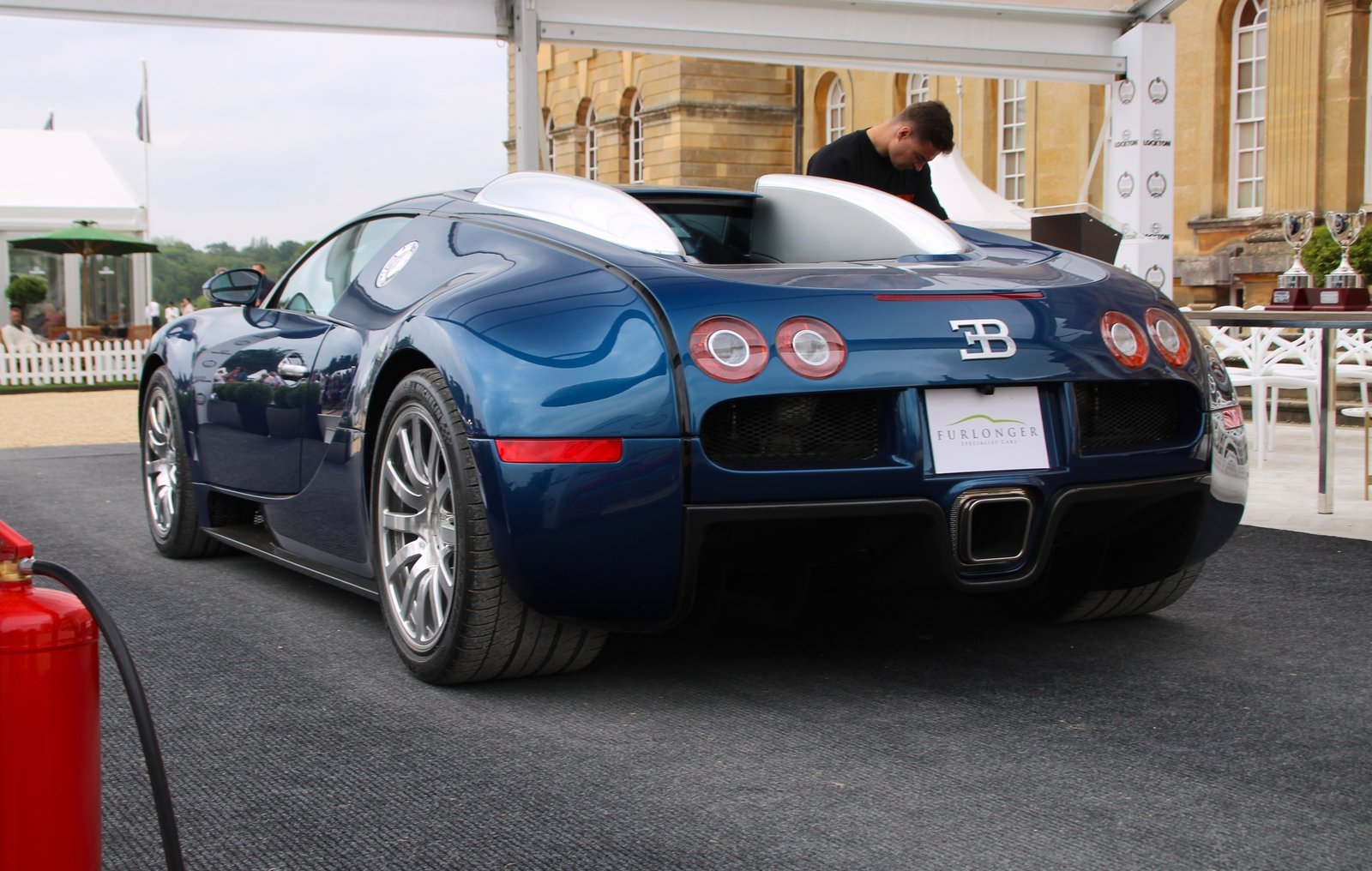
Photo: 2007 Bugatti Veyron SP24 Rear.jpg, MrWalkr; CC BY-SA 4.0. Source uploader brightened, cropped and rotated this photograph; Wikimedia display-size version may be resized. No further changes by BBE. Editorial model illustration; US-delivery status and BBE inventory are not represented. Compact-delivery image resized and JPEG-compressed; no cropping or content edits.

Handling changes the balance
Bugatti’s factory material describes an automatic transition to Handling above approximately 137 mph. The front and rear ride heights become approximately 3.1 and 3.7 inches, while the rear aerodynamic surfaces rise to increase downforce. Handling can also be selected at lower speeds.
These figures explain the design; they are not a buyer’s road-test itinerary. Have the inspecting specialist identify which functions can be checked in the workshop or under permitted low-speed conditions, using the correct procedures and equipment.
The components should be assessed together. Request records of work involving the wing mechanism, front underbody, hydraulic system or related body repairs. The goal is to understand how the complete original system is configured and maintained, without assuming a particular failure merely because a component has been serviced.
Top Speed is a separate preparation
The low-drag configuration for operation above roughly 233 mph requires the separate Speed Key and specific preparation. Bugatti describes a lower stance, approximately 2.6 inches at the front and 2.8 inches at the rear, with closed front diffuser flaps and reduced rear aero angle.
A buyer should understand what equipment, keys and documentation belong with the car. Any genuine high-speed operation requires an appropriately controlled course and the manufacturer’s preparation process. It has no place in an ordinary public-road viewing appointment.
The air-brake function is another distinct state. Bugatti’s retrospective explains that sufficient braking in the specified high-speed Handling range deploys the rear aerofoil rapidly. This braking configuration and the low-drag Top Speed setup serve different purposes; neither can be reduced to a generic claim that the wing is up or down.
Make the handover vehicle-specific
Ask a qualified Bugatti specialist to document installed wheels and tires, body and aero specification, relevant service history and the results of the permitted functional checks. Establish which original items are present and which have been replaced or modified.
Keep the purchase comparison equally precise. Use the correct coupe variant, documented condition and itemized US-dollar terms. The Veyron’s famous performance numbers describe a factory achievement. A sound ownership decision rests on the current car, its supporting evidence and a handover that makes its systems understandable.
From the Journal
Buying a Bugatti Chiron: Verify What Certified Pre-Owned Covers
Looking for a particular exotic car? Start your private search with Big Boy Exotics.