
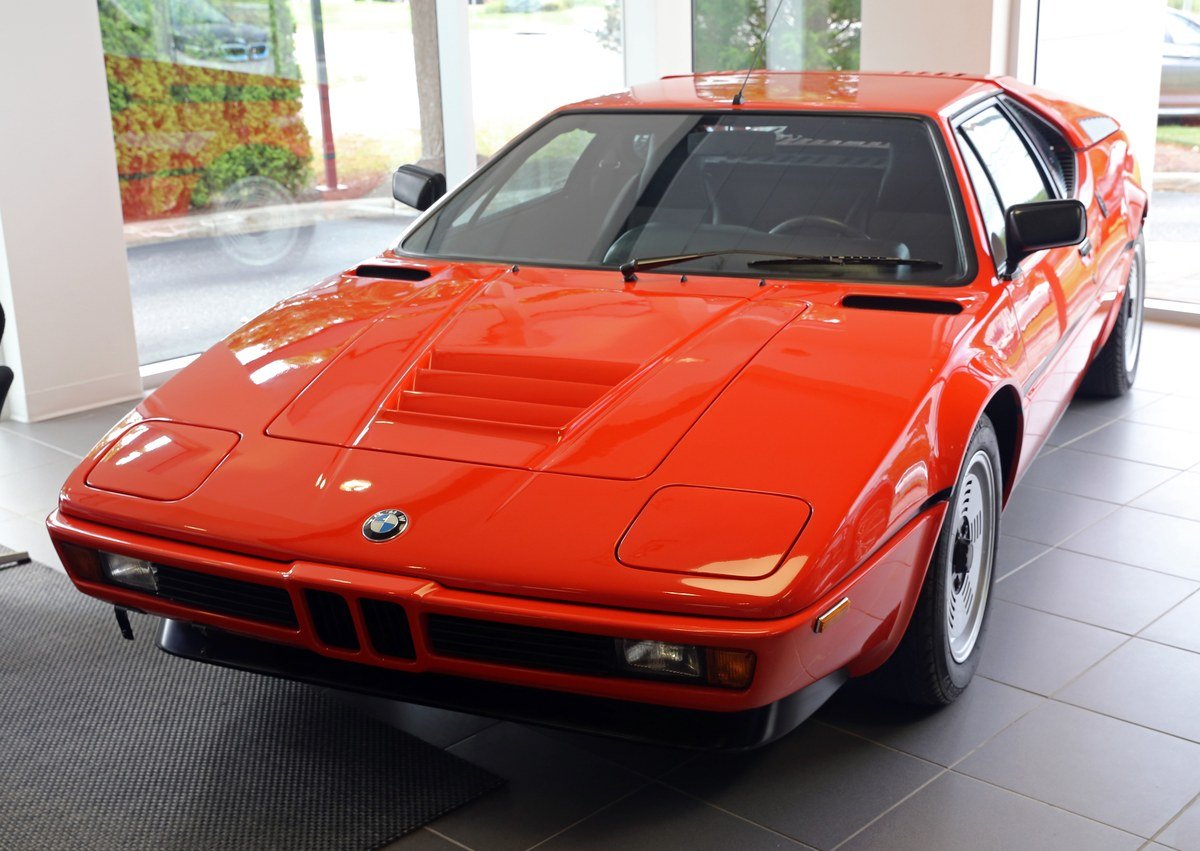

Editorial reference photograph, not BBE inventory. BMW M1 road car, front three-quarter view. BMW M1 (E26) front high.jpg by Mr.choppers, CC BY-SA 3.0. Resized to maximum 1200 pixels and JPEG recompressed; no crop or content alteration. Photo remains under this license; no endorsement implied.

The BMW M1 is easy to describe through its racing connections. It is more useful to understand the road car on its own terms. Hardware developed with competition in mind does not make a road example identical to a Procar racer, and a dramatic photograph is not evidence that the specifications in an advertisement apply to the car being offered.
This evergreen guide concentrates on the original M1 road car. Big Boy Exotics serves buyers throughout the United States. A BMW M1 sourcing brief should identify the configuration you want and the questions that must be answered before a candidate moves beyond the shortlist.
Begin with the road-car architecture
BMW’s March 26, 2008 historical release describes the M1’s 1978 debut and its longitudinal 3.5-liter straight-six ahead of the rear axle. The engine used six individual throttle butterflies and dry-sump lubrication, with drive passing through a five-speed ZF gearbox. These are concrete features of the original road-car engineering, not styling language.
The same BMW account distinguishes the Procar engine, including different internal components, induction arrangements and exhaust. That separation matters when reading a listing. A racing connection can explain the model’s development without validating racing specifications, competition history or performance claims for a road car.
Interesting hardware is not a condition report
Individual throttles make the induction system an important subject for an informed inspection. Rather than asking only whether the engine sounds exciting, request a written assessment of its operation by a specialist familiar with the model. Ask what was checked, under which conditions, and whether further diagnosis is recommended. Avoid prescribing adjustments based on a video or an online description.
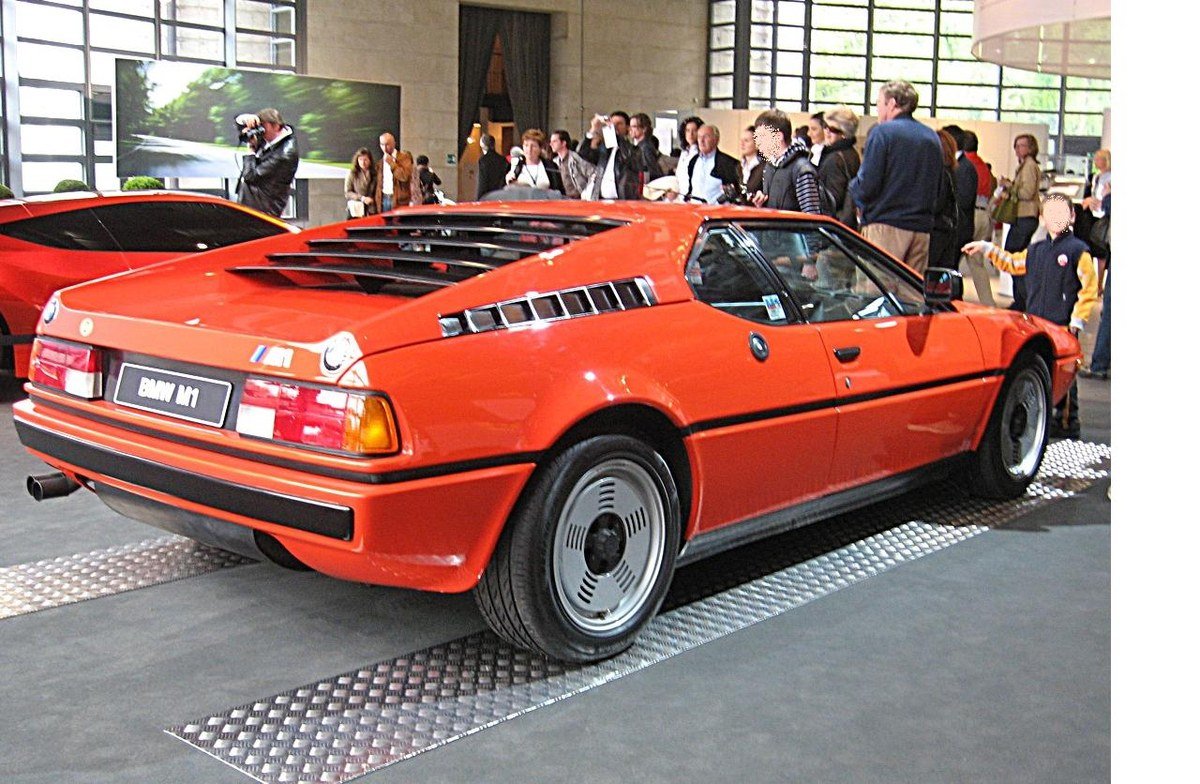
Editorial reference photograph, not BBE inventory. BMW M1 road car, rear three-quarter view. BMW M1 Rear-view.JPG by Luc106, Public domain. Resized to maximum 1200 pixels and JPEG recompressed; no crop or content alteration. Photo remains under this license; no endorsement implied.

Treat the lubrication system with the same discipline. Ask which service procedure and specifications the workshop used, and keep the supporting invoices with the car’s records. A generic statement that fluids were changed does not show that the work followed the requirements of this particular engine. The practical aim is traceability, not a do-it-yourself procedure inferred from the term dry sump.
A useful inspection report separates observations from conclusions. For example, it should distinguish a visible replacement component from a claim that the car has been comprehensively restored. Ask for photographs, the identity of the workshop that performed documented work and an explanation of anything the inspector could not verify.
Decide what originality means to you
Some buyers want a road car close to its documented original configuration. Others may accept carefully recorded changes. Write that preference down early. It gives the search a clear direction and prevents a modification from being praised as an improvement in one conversation and treated as a surprise in the next.
Compare each candidate using the same headings: identity, road or competition configuration, service evidence, modifications and unresolved questions. If a seller makes a motorsport-history claim, ask for records connecting it to the specific car rather than to the model generally. If those records are unavailable, leave the claim unverified instead of allowing the story to become part of the facts.
The M1’s engineering is compelling without borrowing another car’s achievements. Its appeal becomes easier to judge when the model’s history, the candidate’s identity and the inspection evidence remain separate. Tell Big Boy Exotics what you want from an M1 search, including the level of documentation that would make you comfortable moving forward.
Primary source: Manufacturer history and engineering reference.