
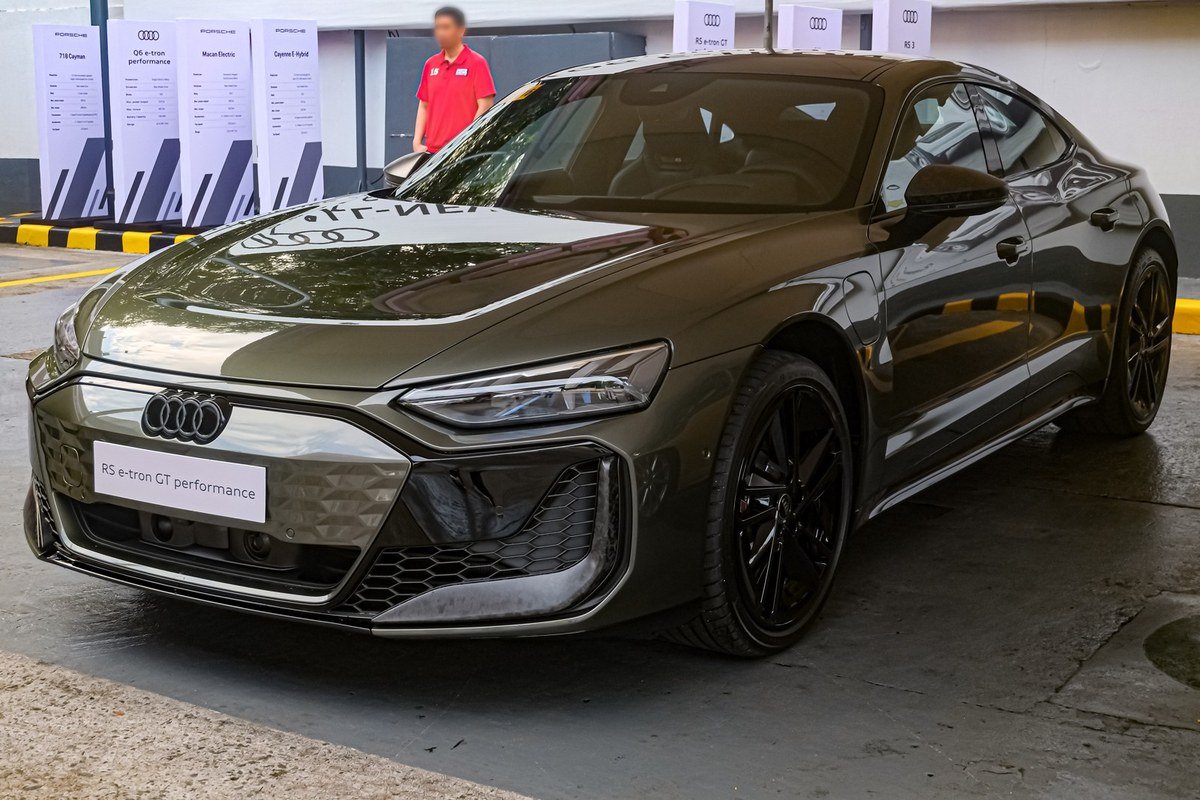

RS e-tron GT performance photographed in October 2025; non-U.S. example shown. Photograph by Ethan Llamas, CC BY-SA 4.0. Resized and JPEG recompressed; no additional crop or scene changes. Photo remains under this license; no endorsement implied.

The Audi RS e-tron GT performance can make the option sheet as important as the headline output. If this electric grand tourer is on your list, start a nationwide U.S. sourcing request that includes the chassis equipment you want. Two listings with the same model name may invite different conversations about ride and body control.
Start with the actual U.S. package
For the 2026 U.S. model, Audi lists an available Dynamic plus package combining active suspension, high-performance summer tires and ceramic brakes. It describes the suspension as wheel-selective, with additional electrohydraulic actuators that respond to the road at each corner. The U.S. model page is the appropriate starting point for that specification. A dealer photograph or an RS badge alone does not establish that a particular example has the package.
Active body control is worth understanding before evaluating it. The important distinction is what the system can do with the body’s movement when the driver accelerates, brakes or changes direction. A conventional adaptive damper changes its resistance; an active arrangement adds controlled force. For a buyer, the useful consequence to investigate is whether the car feels settled and comfortable over the roads you actually use.
Audi’s September 17, 2024 technical announcement describes the performance derivative’s standard two-chamber, two-valve air suspension and separately identifies the optional active system. It also explains that RS performance mode coordinates suspension, torque vectoring, aerodynamics and cooling. That is development background from 2024, not a new launch this month. The technical account helps explain why a drive-mode demonstration should involve more than changing a dashboard label.
Power arrives with conditions
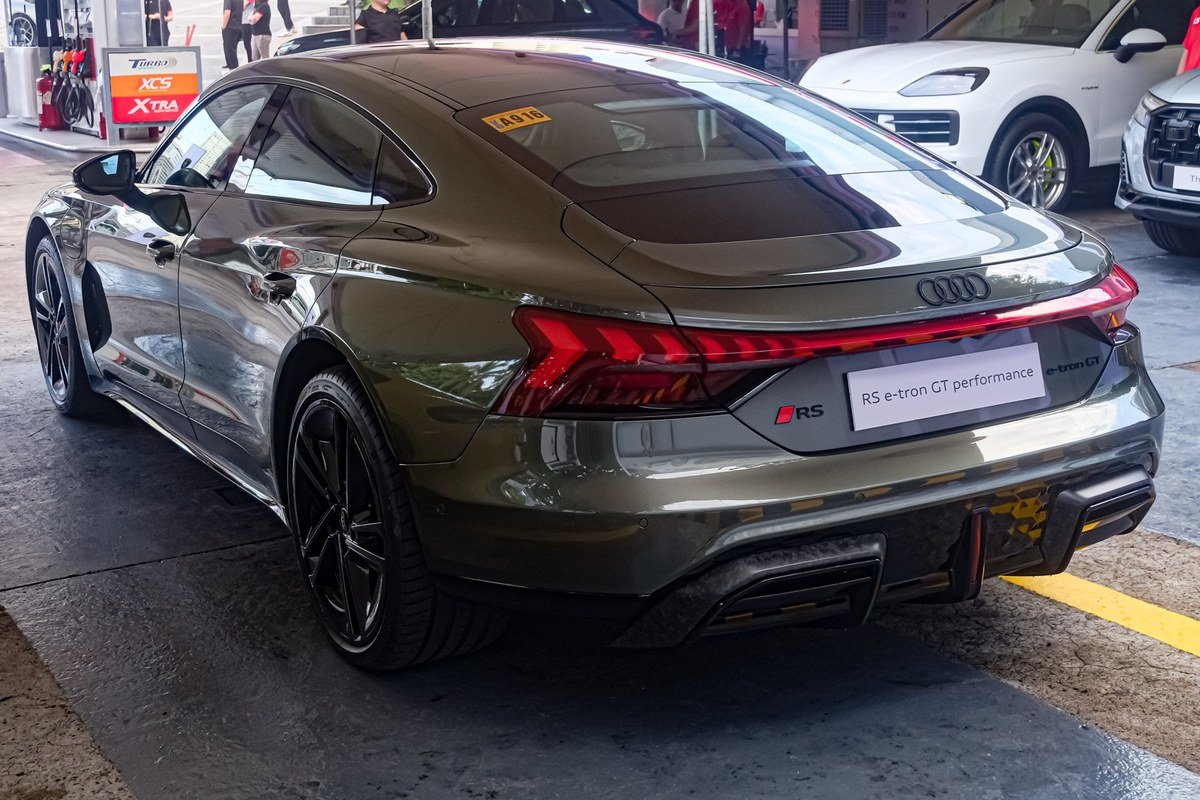
RS e-tron GT performance photographed in October 2025; non-U.S. example shown. Photograph by Ethan Llamas, CC BY-SA 4.0. Resized and JPEG recompressed; no additional crop or scene changes. Photo remains under this license; no endorsement implied.

Audi quotes up to 912 hp with launch control and a 2.4-second 0–60 mph time for the 2026 U.S. car. Maximum output depends on conditions including battery temperature and charge level. The same model page quotes up to 320 kW DC charging and approximately 18 minutes from 10 to 80 percent under appropriate conditions. These are manufacturer figures, not results recorded by Big Boy Exotics.
Those qualifications point toward a better ownership question: can your normal charging and driving routine support the experience you want? A short encounter with a fully prepared demonstrator will not establish winter range, charging consistency or the behavior of a different car. Ask how the seller prepared the battery and document the starting state of charge during a demonstration.
Choose a repeatable road comparison
For the chassis, use the same suitable route in the relevant road modes, with the driver observing all speed limits. A broken surface, a normal curve and a controlled stop can reveal more about personal comfort preferences than a dramatic launch. Give a passenger the opportunity to assess the ride too. Ask the seller to identify which settings change automatically when a performance mode is selected.
Check fitted tires against the season and your intended use. The package’s summer-tire emphasis makes climate part of the specification discussion. Have a qualified Audi specialist confirm installed options and inspect the suspension and braking systems. Our electric-performance ownership handover guide offers further questions about charging and support, while Audi-specific procedures should come from Audi.
The best example is the one whose equipment supports your roads and routine. Source an RS e-tron GT performance through Big Boy Exotics nationwide, with the exact model year, package preferences, charging needs and budget recorded at the outset.