

Big Boy Exotics serves exotic-car buyers across the United States. Tell us about your car search.
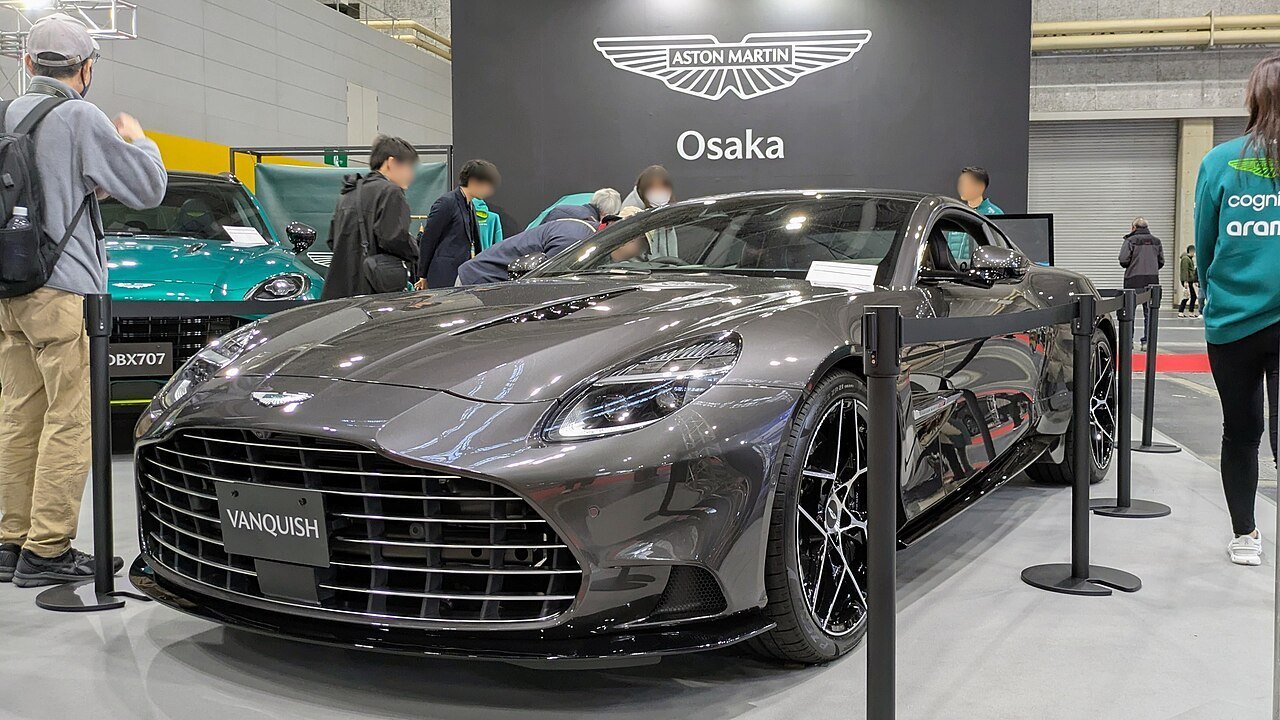
Cover: Aston Martin Vanquish (3rd gen) at Japan Mobility Show Kansai 2025.jpg, Aos.1905; CC BY-SA 4.0. Wikimedia resize; otherwise unchanged. Compact-delivery image resized and JPEG-compressed; no cropping or content edits.

A great grand-touring engine needs to answer the accelerator convincingly while the car is already moving. That is the useful question behind the new-generation Aston Martin Vanquish: how does a large, turbocharged V12 deliver its performance between the dramatic moments shown in a launch film?
The coupe unveiled in September 2024 introduced Boost Reserve, a way of preparing turbo pressure before the driver requests full output. It deserves attention because responsiveness shapes an engine's character every time the accelerator moves, whereas maximum horsepower describes one point on a performance curve.
Pressure prepared in advance
Aston Martin explains that Boost Reserve raises boost above the amount ordinarily required at a given partial-throttle position. The system coordinates the throttle flap and turbo wastegate to hold the requested engine output while preparing additional pressure. When more output is requested, the throttle can release that reserve.
The important distinction is between pressure available in the intake system and torque delivered to the wheels. The driver should receive the response requested through the pedal; the control system manages the preparation behind it. Think of the feature as reducing the amount of work still to be done when demand changes. It does not turn the accelerator into an on-off switch.
This is also different from storing energy in a hybrid battery. Boost Reserve operates within the V12's air-management system. Its name should not lead a prospective owner to expect an electric driving mode or a separate battery-powered boost button.
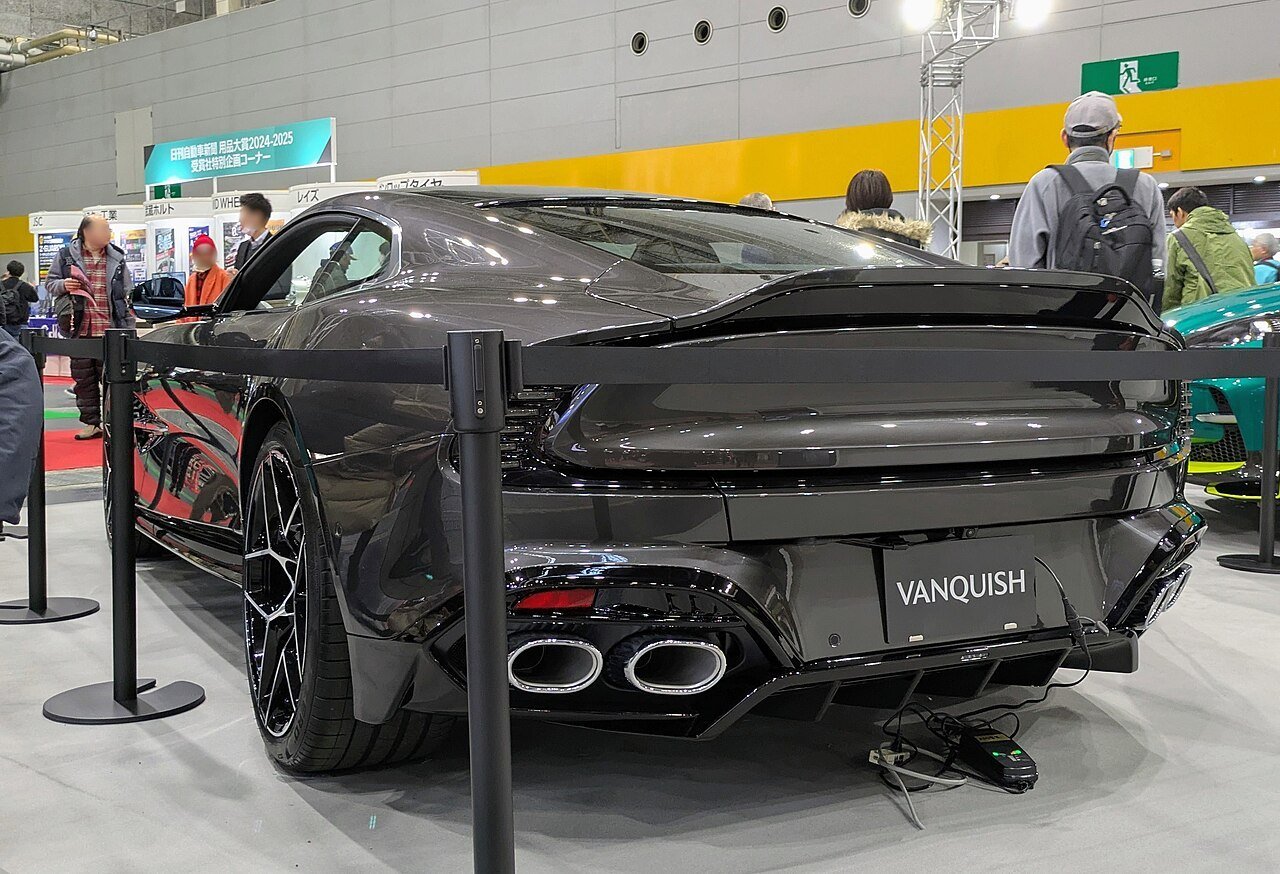
Photo: Aston Martin Vanquish (3rd gen, rear view) at Japan Mobility Show Kansai 2025.jpg, Aos.1905; CC BY-SA 4.0. Wikimedia resize; otherwise unchanged. Compact-delivery image resized and JPEG-compressed; no cropping or content edits.

Why turbo response needs engineering
A turbocharger uses exhaust energy to compress incoming air. Its rotating components have inertia, and exhaust flow changes with operating conditions. Turbocharger manufacturer Garrett explains these response constraints; that general explanation helps make sense of Aston Martin's approach without identifying a supplier for this car.
Aston Martin also described reduced-inertia, higher-speed turbochargers in the Vanquish launch material. Hardware and control strategy therefore belong in the same discussion. A clever software feature depends on physical components capable of responding to it, and a powerful turbocharger still needs appropriate management.
For the driver, the useful result would be a close relationship between a measured pedal input and the car's response. Establishing that character requires experiencing the actual car. A specification sheet cannot tell you whether the delivery suits your preferred pace.
Read the US numbers consistently
The US model page lists 824 bhp and 1,000 Nm, approximately 738 lb-ft, with maximum torque available from 2,500 to 5,000 rpm. The commonly quoted 835 figure uses metric horsepower, or PS. Those are different units describing the same factory-rated output.
The broad torque range suggests why intermediate-speed response matters to this car's touring role. The eight-speed automatic also influences what a driver experiences: a change in gear can alter acceleration at the same time that engine response changes. Avoid attributing every sensation to a single branded feature.
For a US search, specify the third-generation coupe explicitly, then record the model year and desired equipment. Obtain a current, itemized USD quote for the actual car rather than transferring launch pricing from another market. The older Vanquish name covers substantially different machinery.
The engineering reward here is understanding how the V12 is meant to feel. Boost Reserve offers a useful lens: judge the transition from a small request to a larger one, with a warm car and within legal road speeds. That is where an impressive number becomes a convincing grand tourer.
From the Journal
Aston Martin DB11 V8 and Early V12: How to Build the Right Shortlist
Looking for a particular exotic car? Start your private search with Big Boy Exotics or send your car-sourcing brief to info@bigboyexotics.com.