
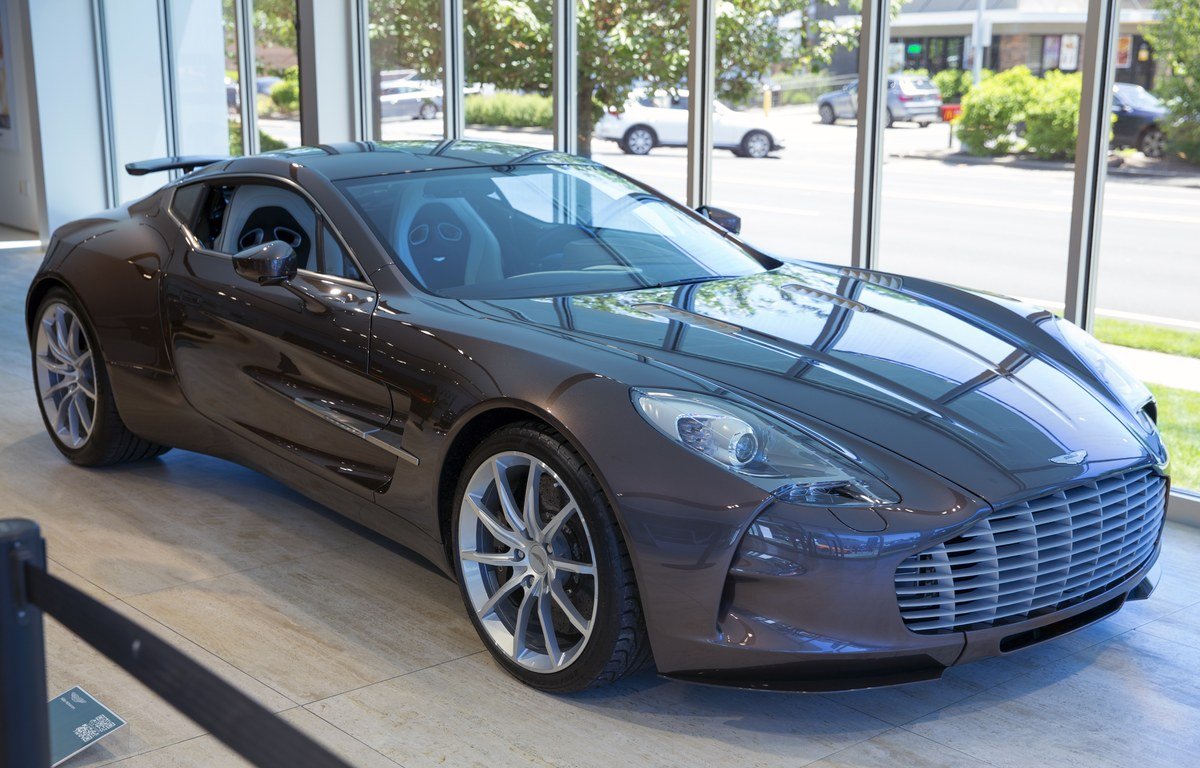

Editorial reference photograph, not BBE inventory. “2011 Aston Martin One-77 in Bronze Pearl, front right.jpg” by Mr.choppers, Wikimedia Commons, CC BY-SA 3.0. Photo source: Mr.choppers; CC BY-SA 3.0. Resized to 1200 pixels wide and recompressed; no crop or content alteration. This photograph remains under CC BY-SA 3.0. No endorsement implied.

The Aston Martin One-77 invites a visual response before an analytical one. Its shape makes the car easy to admire, but a collector's decision should extend well beyond the photographs. For a US buyer, a serious search begins with two connected subjects: the identity and history of the particular example, and the expertise needed to assess its construction.
This is an evergreen buying perspective, not a new launch or a report of current inventory. Big Boy Exotics serves buyers across the United States. If the One-77 belongs on your shortlist, describe your expectations for provenance, condition and intended use when making a sourcing request. Share your car-sourcing brief.
Understand the object before assessing it
Aston Martin's own past-model record describes a 77-car production run completed in 2012. It identifies a carbon-fiber monocoque, a hand-built aluminum body and a 7.3-liter V12. That combination is the useful starting point here. Different materials and a limited-production design call for more than a generic luxury-car condition report. Manufacturer source.
Ask prospective inspection specialists about their relevant experience and the scope they can support. Do they have access to suitable technical information? Can they assess previous work on the body and structure, or will another specialist be needed? A confident answer should describe the proposed examination, not merely offer reassurance because the car looks clean.
Give provenance its own folder
Before a viewing, assemble the vehicle identification, ownership documents, service invoices and available factory records into a timeline. Record what each document actually establishes. A photograph of a car at an event may support where it appeared; it does not by itself prove ownership, mileage or the absence of earlier repairs.
Treat missing periods as open questions. Ask for clarification without inventing a negative explanation. If the seller provides a story about a previous owner or a significant collection, request supporting evidence before repeating it. The appeal of a rare car is not improved by adding an impressive but unverified narrative.
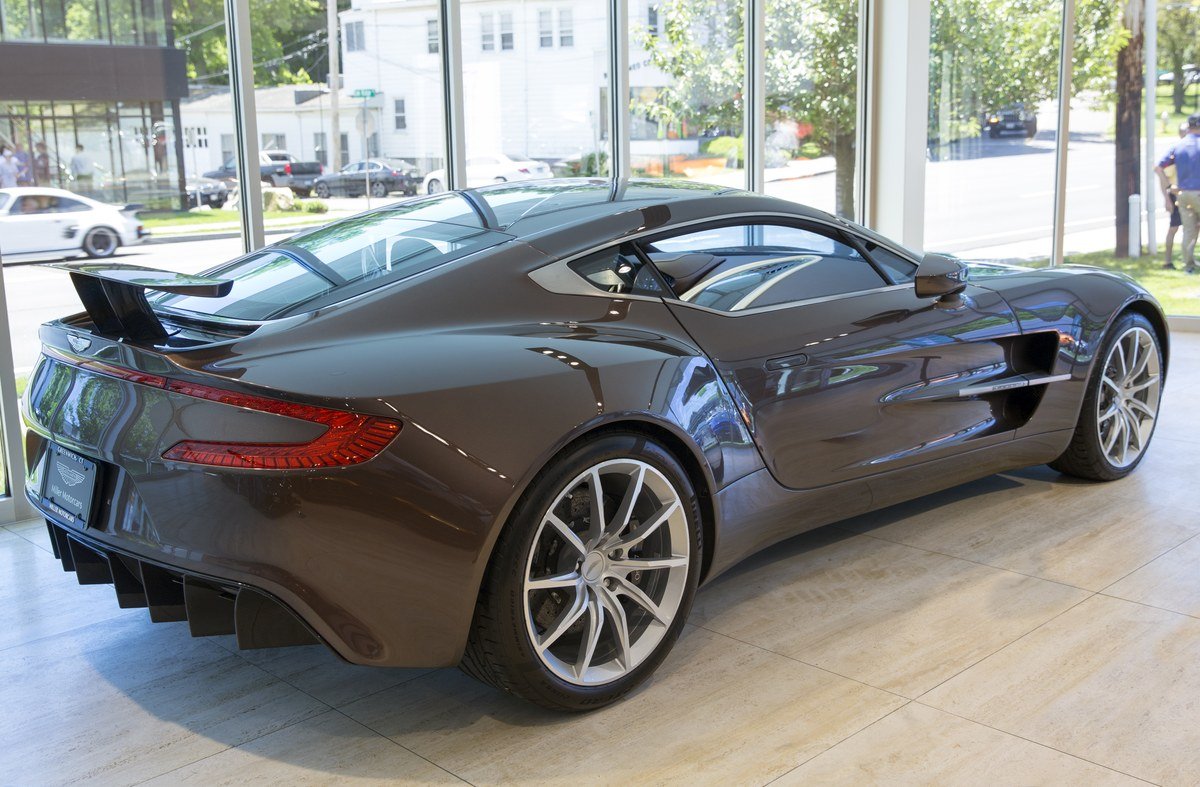
Editorial reference photograph, not BBE inventory. “2011 Aston Martin One-77 in Bronze Pearl, rear right.jpg” by Mr.choppers, Wikimedia Commons, CC BY-SA 3.0. Photo source: Mr.choppers; CC BY-SA 3.0. Resized to 1200 pixels wide and recompressed; no crop or content alteration. This photograph remains under CC BY-SA 3.0. No endorsement implied.

Inspect the materials, not just the gloss
Ask the specialist to distinguish surface presentation from structural assessment. A polished panel can look excellent while leaving important questions about the work beneath it unanswered. Conversely, a minor cosmetic imperfection should not be described as structural damage without appropriate evidence. The report should use clear findings and explain its limits.
If repairs are documented, request the invoices, photographs where available and details of who performed them. Understand which components were repaired or replaced. Where further examination is recommended, establish whether it can be completed before purchase and what access the seller will permit. Do not let a short appointment silently become a claim of exhaustive verification.
Test your ownership plan
Consider how the car would enter your garage, travel to service and be stored between drives. Confirm the dimensions and access requirements of the actual vehicle and any transport arrangement rather than rely on an estimate from photographs. Ask qualified service providers for a realistic first-year plan based on the candidate's records and inspection, not a generic exotic-car budget.
For a US transaction, have appropriate specialists verify the particular car's title, import documentation and registration position. This article makes no determination about an individual vehicle's eligibility. A famous model name and another owner's experience do not replace that review.
For this car, organize the final report by material and system rather than by a vague overall condition grade. Keep the aluminum exterior assessment, the carbon structure review and the mechanical findings distinguishable. That format makes it easier to see whether a specialist's reassuring conclusion applies to the whole car or only the area they were asked to examine.
When you send a sourcing brief, include the documentation standards you want to maintain. Would the car still feel compelling if its history had to speak without a sales story around it? Start your US car search.