
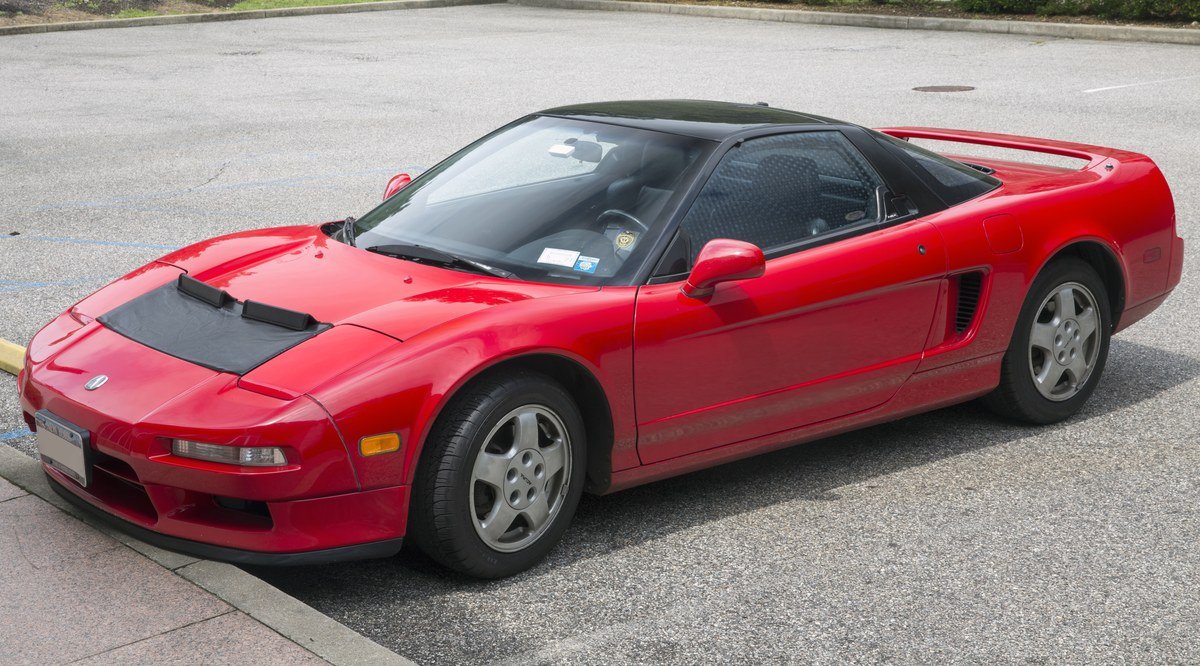

A 1991 Acura NSX coupe photographed in Huntington, New York, in July 2020; the photographer identifies it as a manual-transmission example with manual steering. Photograph by Photo: Mr.choppers / Wikimedia Commons, CC BY-SA 3.0., CC BY-SA 3.0. Resized and JPEG recompressed; no additional crop or scene changes. Photo remains under this license; no endorsement implied.

A five-speed gearbox is only part of the specification to understand when shopping for a 1991 Acura NSX. For that US model year, the transmission choice also determined the steering system. The distinction deserves attention before a buyer interprets the car’s behavior during a viewing.
Acura documented the arrangement in its June 3, 1990 press material for the 1991 model year. This is a historical guide to that exact US specification. BBE serves US buyers; a first-year NSX search brief should identify the fixed-roof coupe and desired transmission clearly.
The factory paired two different steering systems
Acura’s 1991 features list specifies variable-ratio manual rack-and-pinion steering for the five-speed car. The automatic model receives electronically controlled variable power assistance. The original press kit describes an electric motor around the automatic car’s steering rack, with assistance calculated using vehicle-speed and steering inputs.
Two different meanings of variable are involved. Steering ratio concerns the relationship between steering-wheel movement and the direction of the road wheels. Assistance concerns the help supplied to the driver. A variable ratio does not, by itself, imply that the car has powered steering.
That is why a generic description of an early NSX as having electric steering is insufficient for this purchase. The factory transmission specification needs to be part of the explanation. A later model year should be researched on its own terms rather than having the 1991 arrangement assumed to apply.
Make the first drive a useful comparison
Begin by settling into a position that gives comfortable control of the wheel and pedals. With a suitable demonstration agreed, pay attention to ordinary low-speed maneuvering as well as the way the car responds once moving. Those are different parts of ownership, and both should suit the person who will drive it.
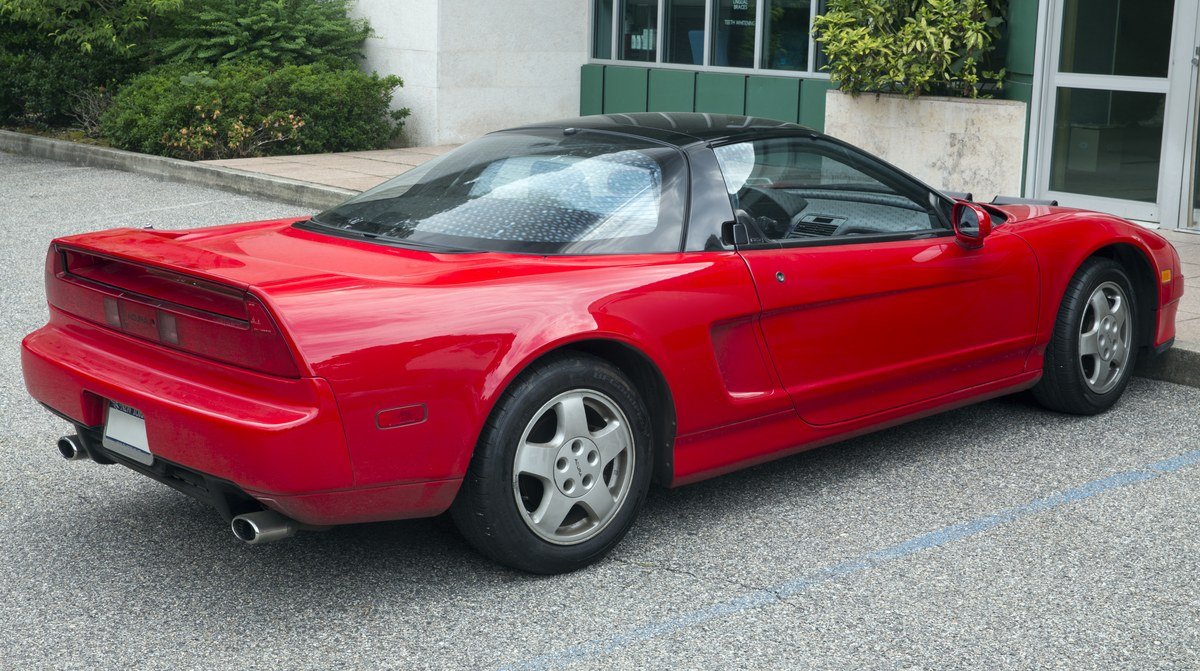
Rear-right view of the same apparent photographer-identified 1991 manual NSX coupe. Photograph by Photo: Mr.choppers / Wikimedia Commons, CC BY-SA 3.0., CC BY-SA 3.0. Resized and JPEG recompressed; no additional crop or scene changes. Photo remains under this license; no endorsement implied.

A buyer accustomed to a modern assisted system should allow time to understand the expected character of the factory manual rack. That does not mean dismissing every unfamiliar sensation as normal. Ask a specialist to assess anything concerning rather than diagnosing it from the model’s reputation or from one brief drive.
Keep the comparison fair. Note the fitted tires, their condition and the setup information available, and avoid treating two differently prepared examples as a controlled test of steering architecture. The aim is to decide whether the actual car works for you while giving mechanical questions the appropriate professional attention.
Check the installed configuration
The original specification provides a reference, but a decades-old car also has an individual history. Ask whether its transmission or steering equipment has been changed and request the supporting records. A conversion, replacement or modification should be described accurately enough for the inspecting specialist to evaluate.
Our 2022 NSX Type S guide concerns a separate generation and a different engineering package. It can help place the nameplate’s evolution in context, but it is not a technical reference for the first-year coupe.
Choose the complete driving experience
For a US buyer, a preference for changing gears manually should be accompanied by a considered view of the steering experience. Confirm the model year, factory configuration and present condition before deciding that a particular example meets the brief.
BBE’s buyer inquiry can capture those requirements alongside colors and documentation. The goal is a clearly identified 1991 five-speed NSX, with its steering understood rather than taken for granted.